History
The roots of thalassotherapy.
Since 1932. From the sea.
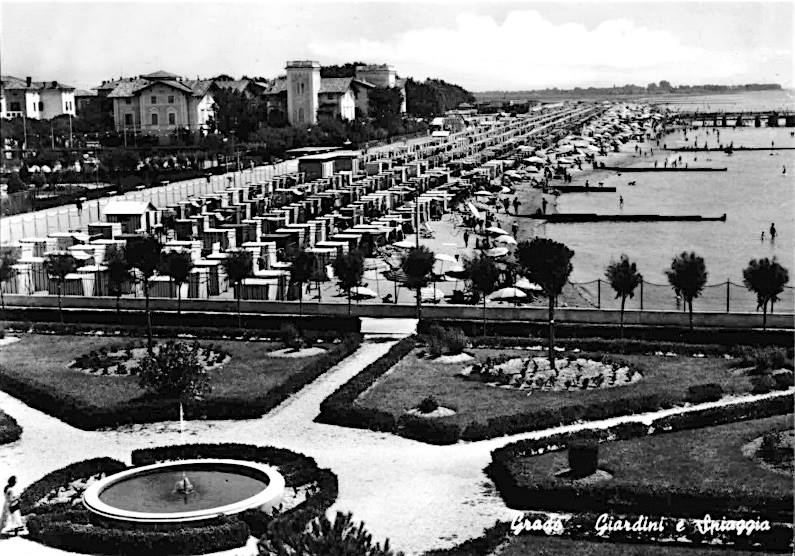
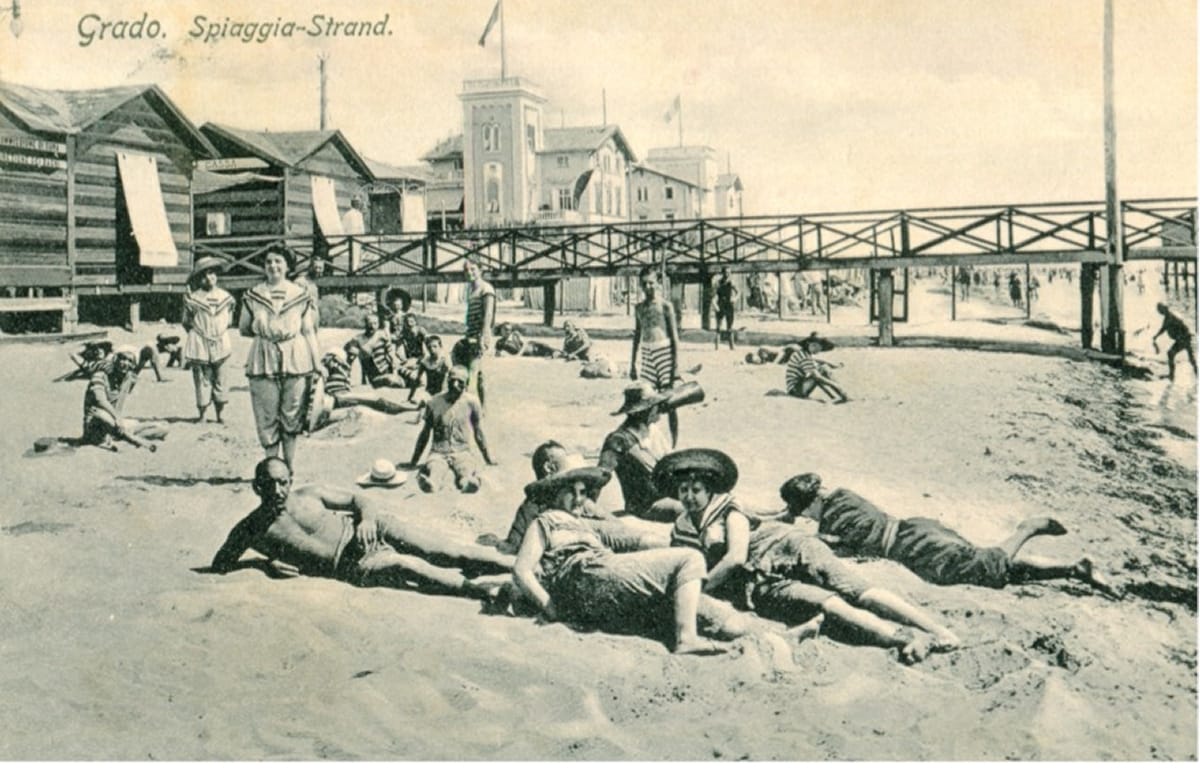
From antiquity to the heart of the nineteenth century, Grado has transformed the energy of the sea, water, air, sun, and the slow rhythm of the island into an art of care. A centuries-long journey that has consolidated a unique thermal tradition in the Italian and European panorama.
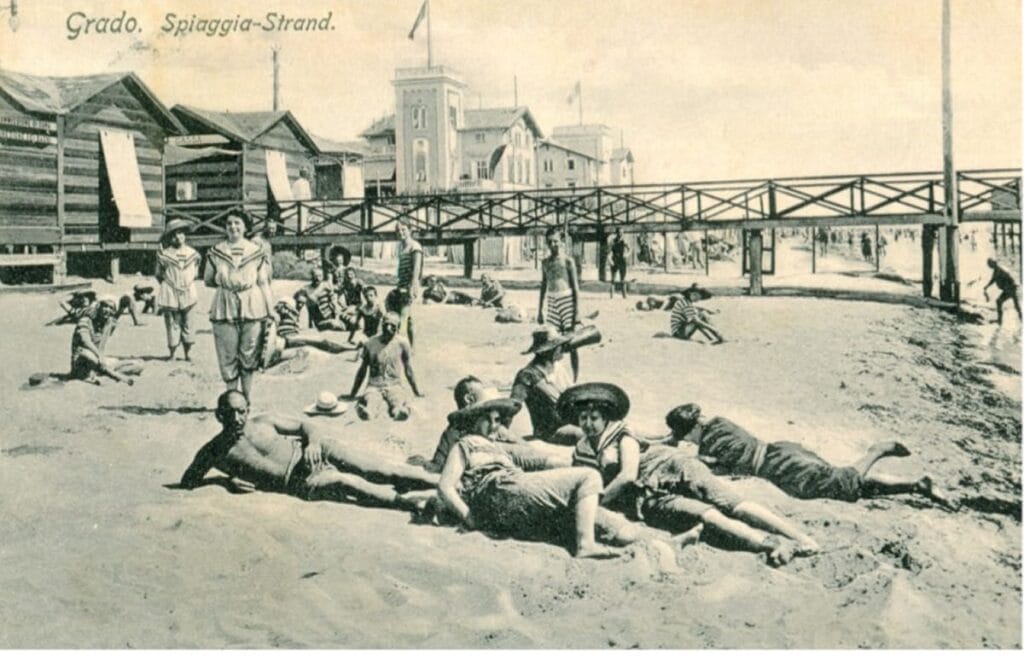
YEARS 30′
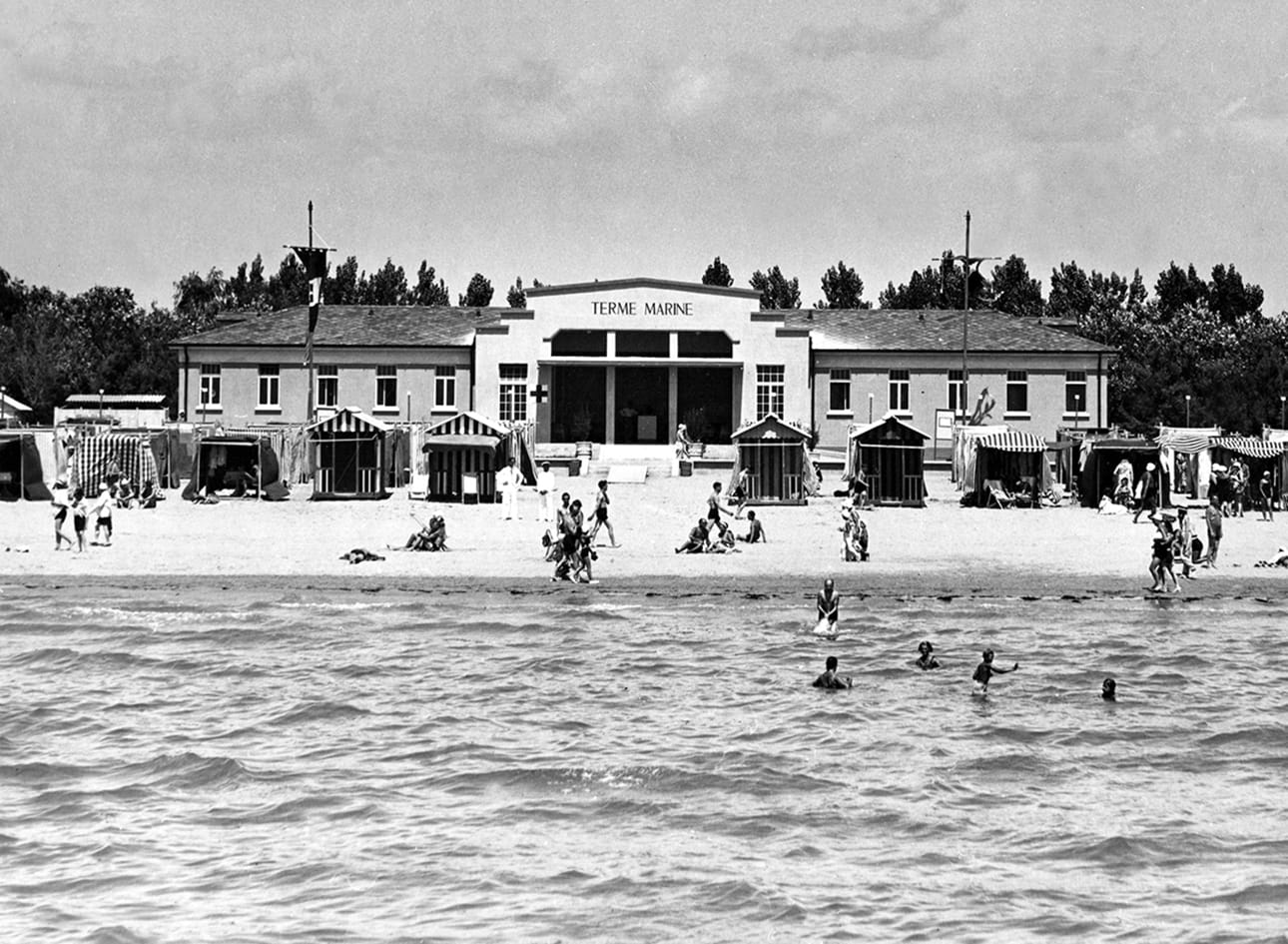
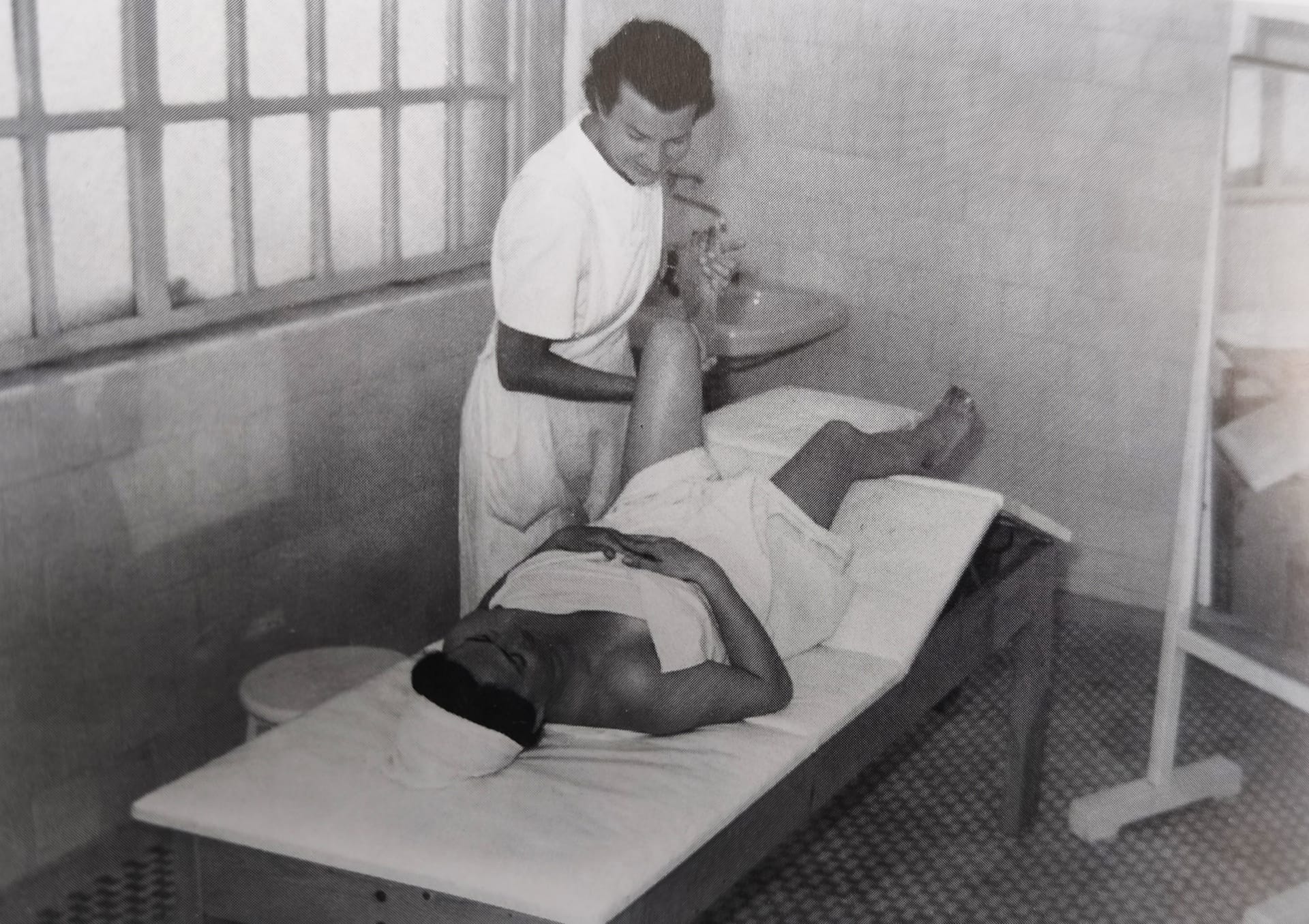
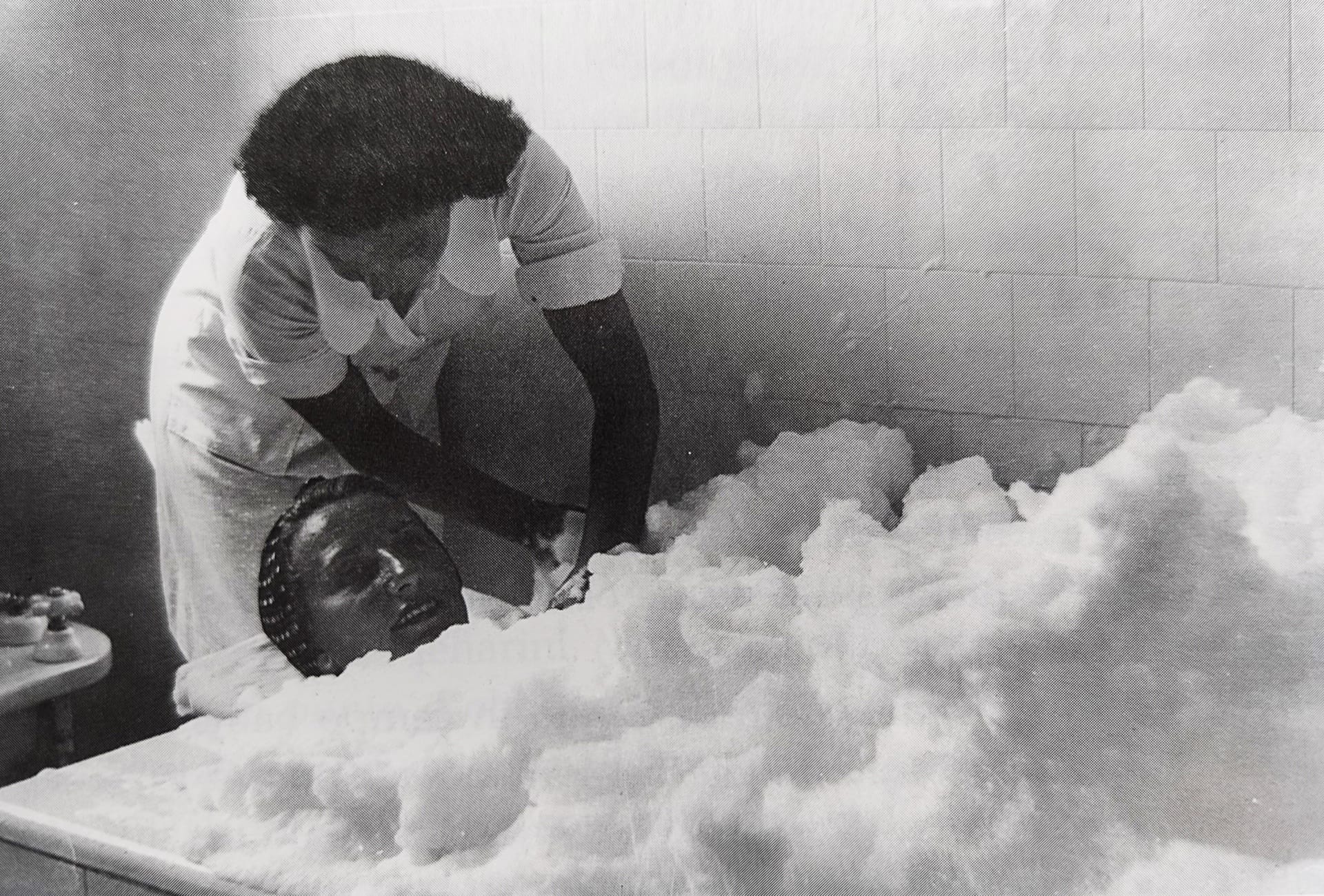
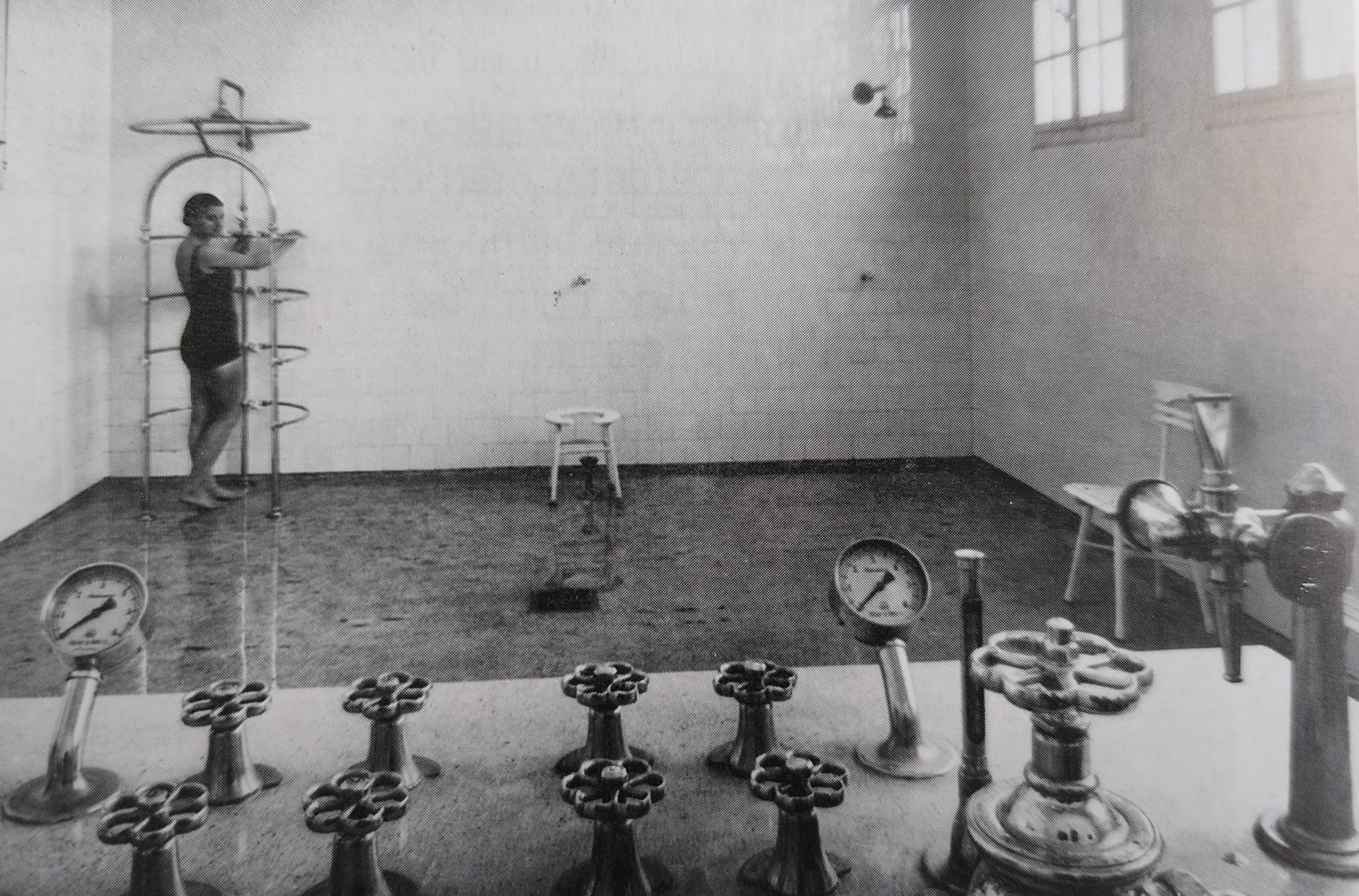
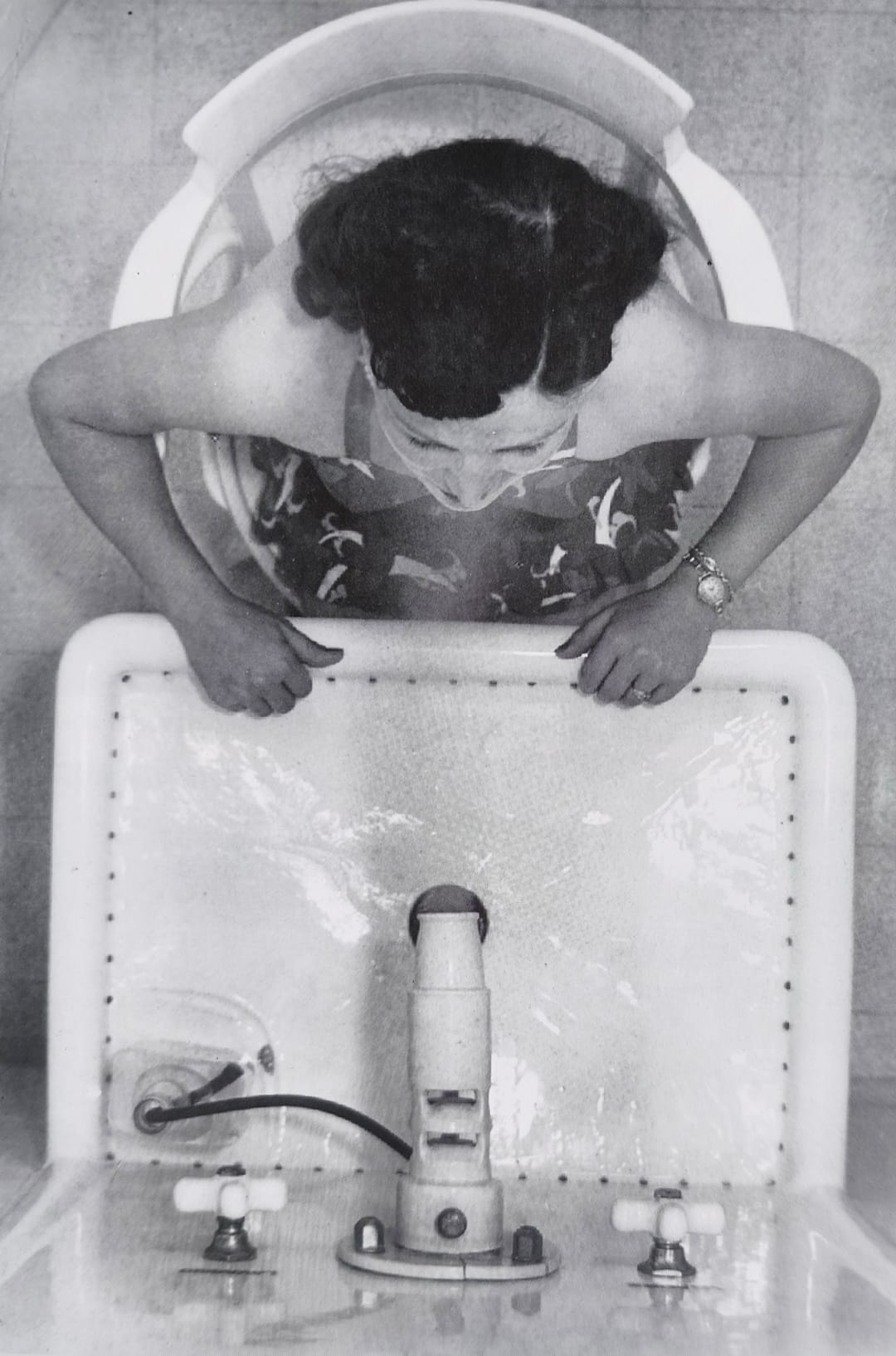
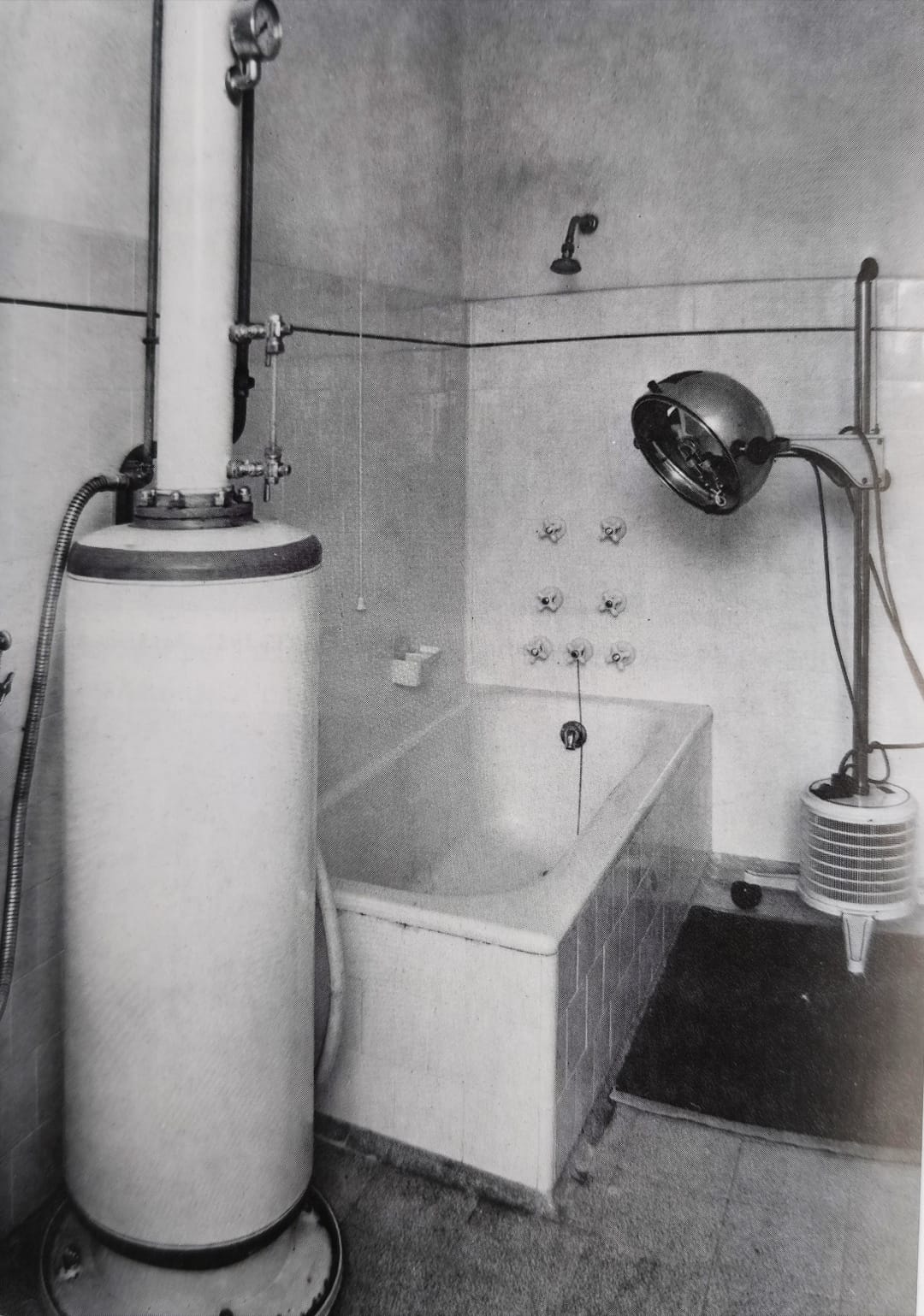
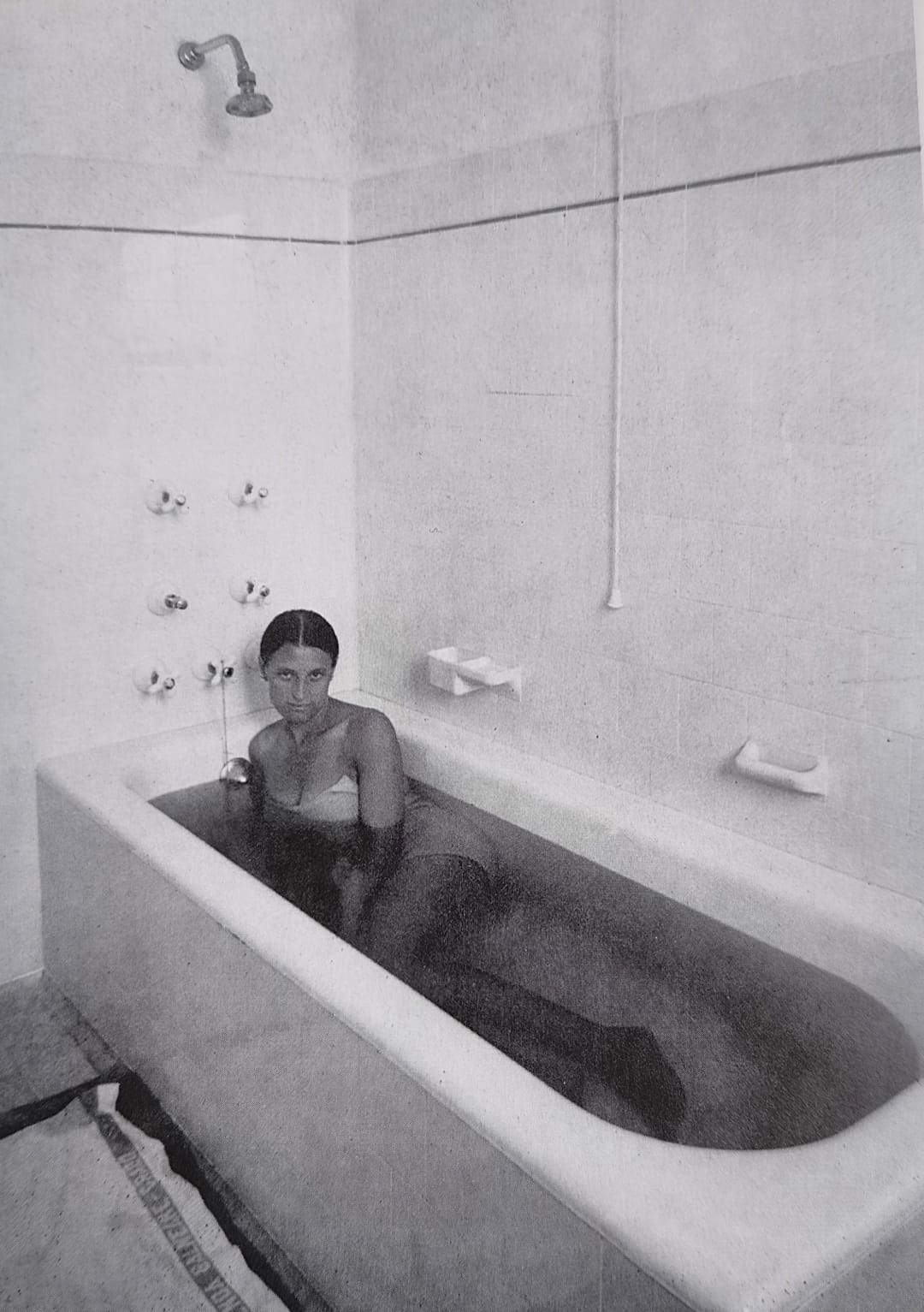
The modern chapter begins in 1932. On the initiative of the Florentine pediatrician Giuseppe Barellai,
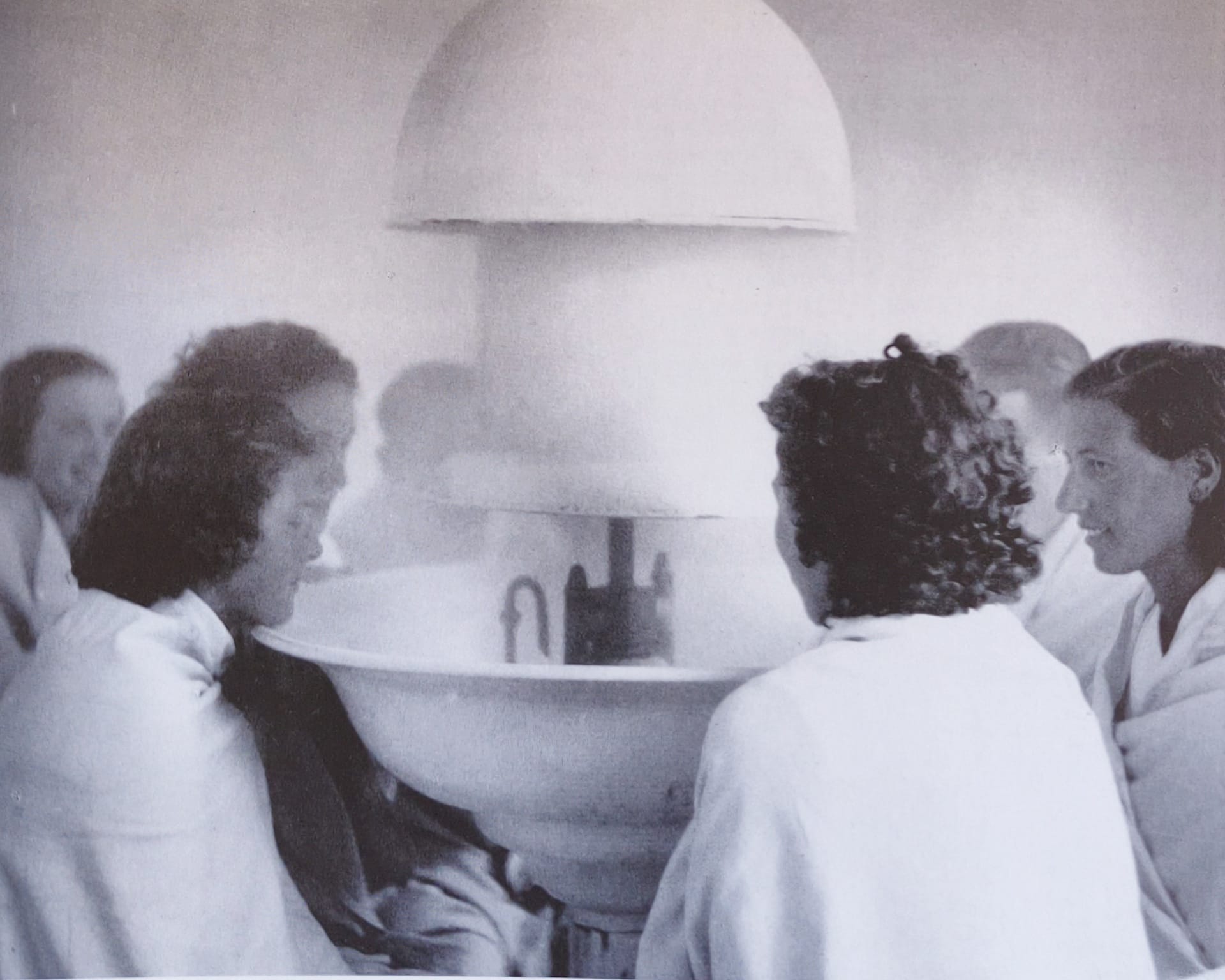
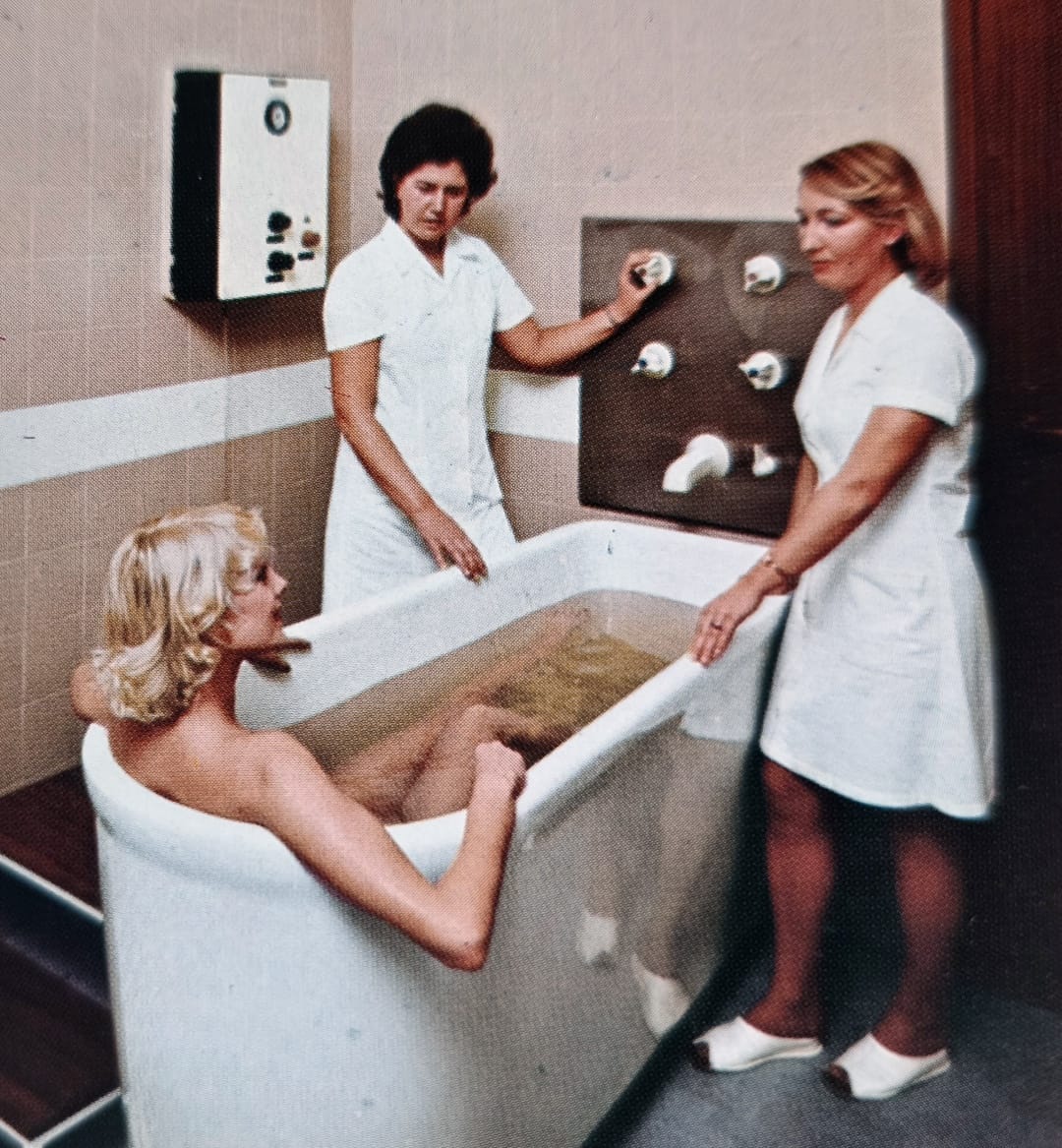
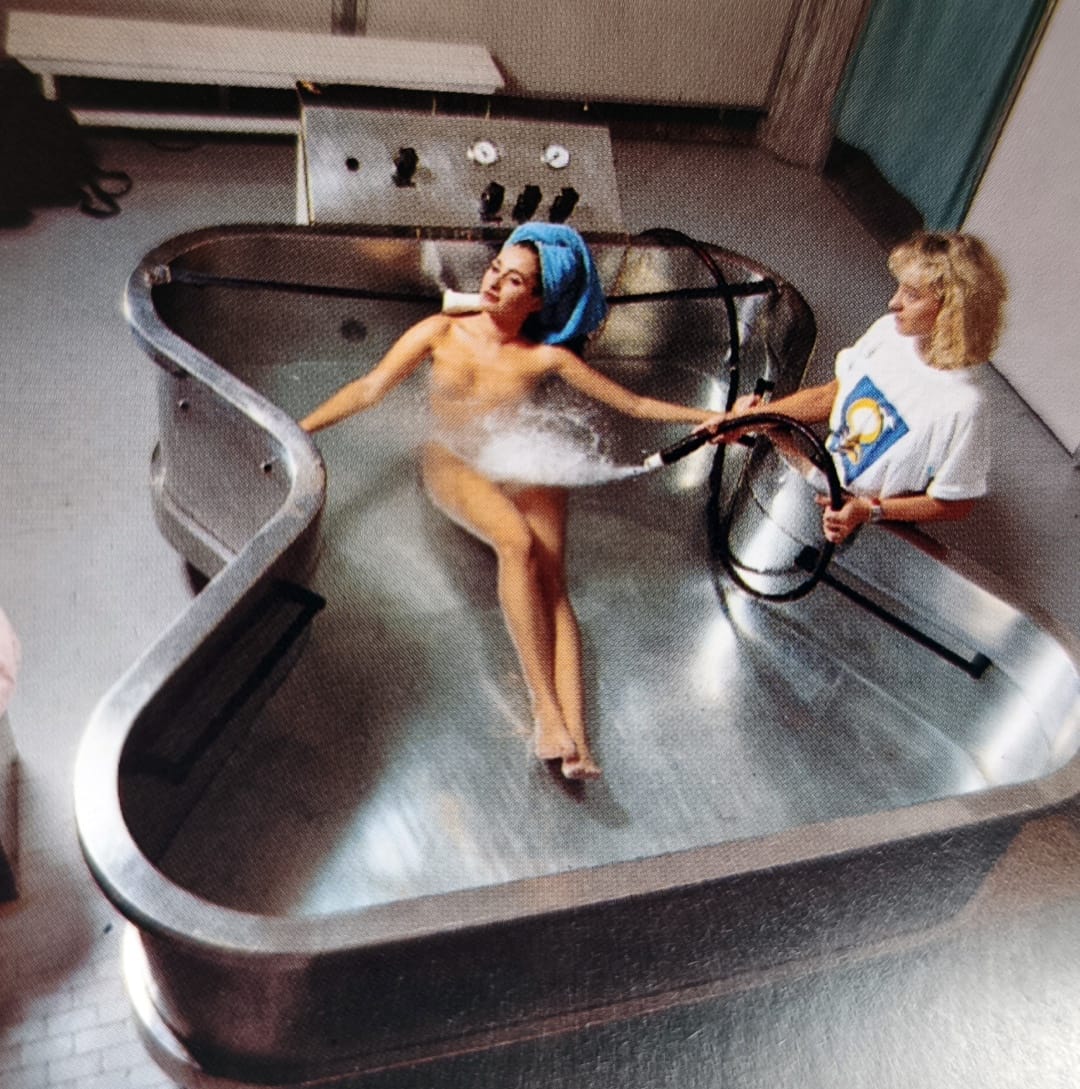
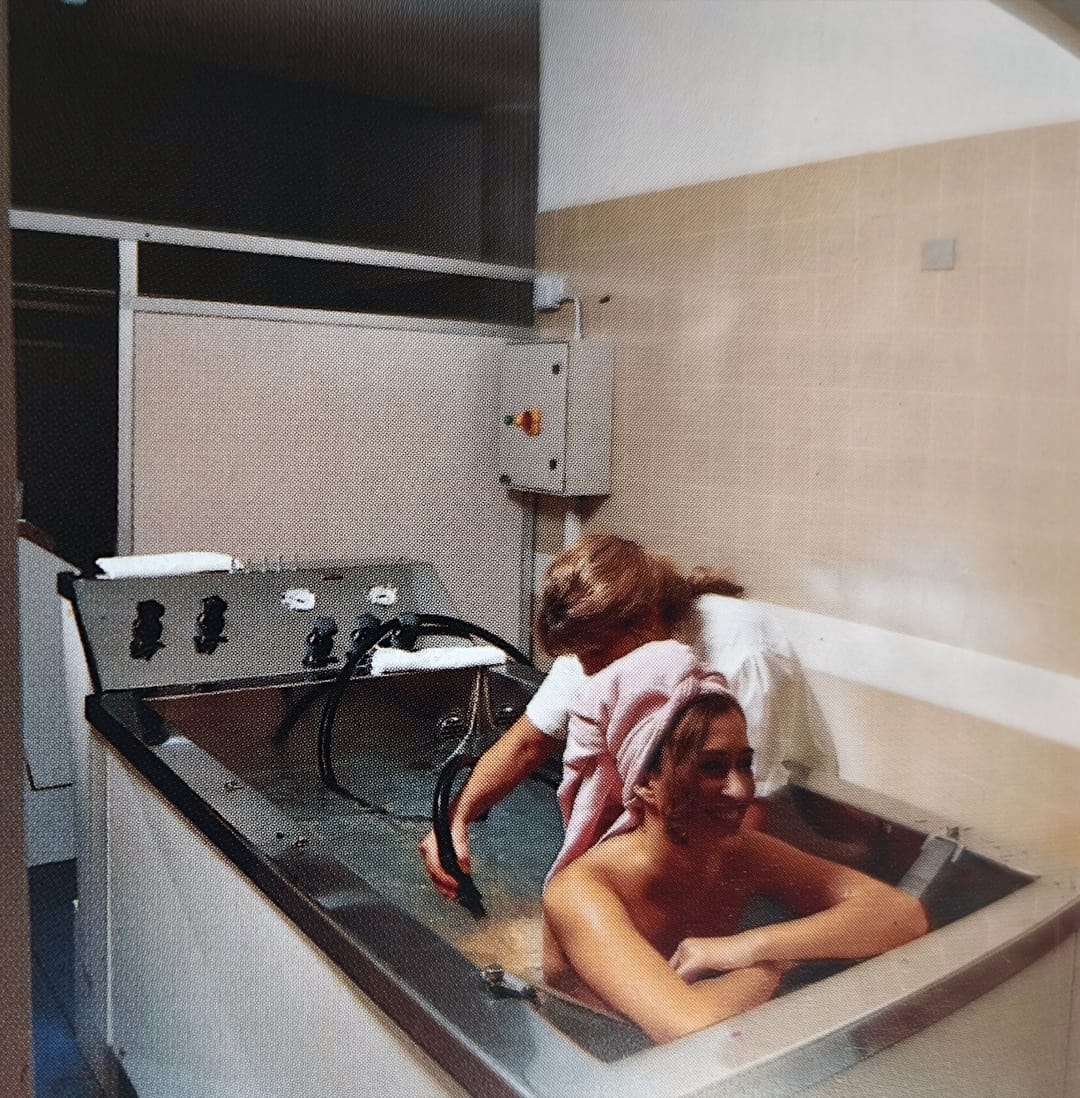
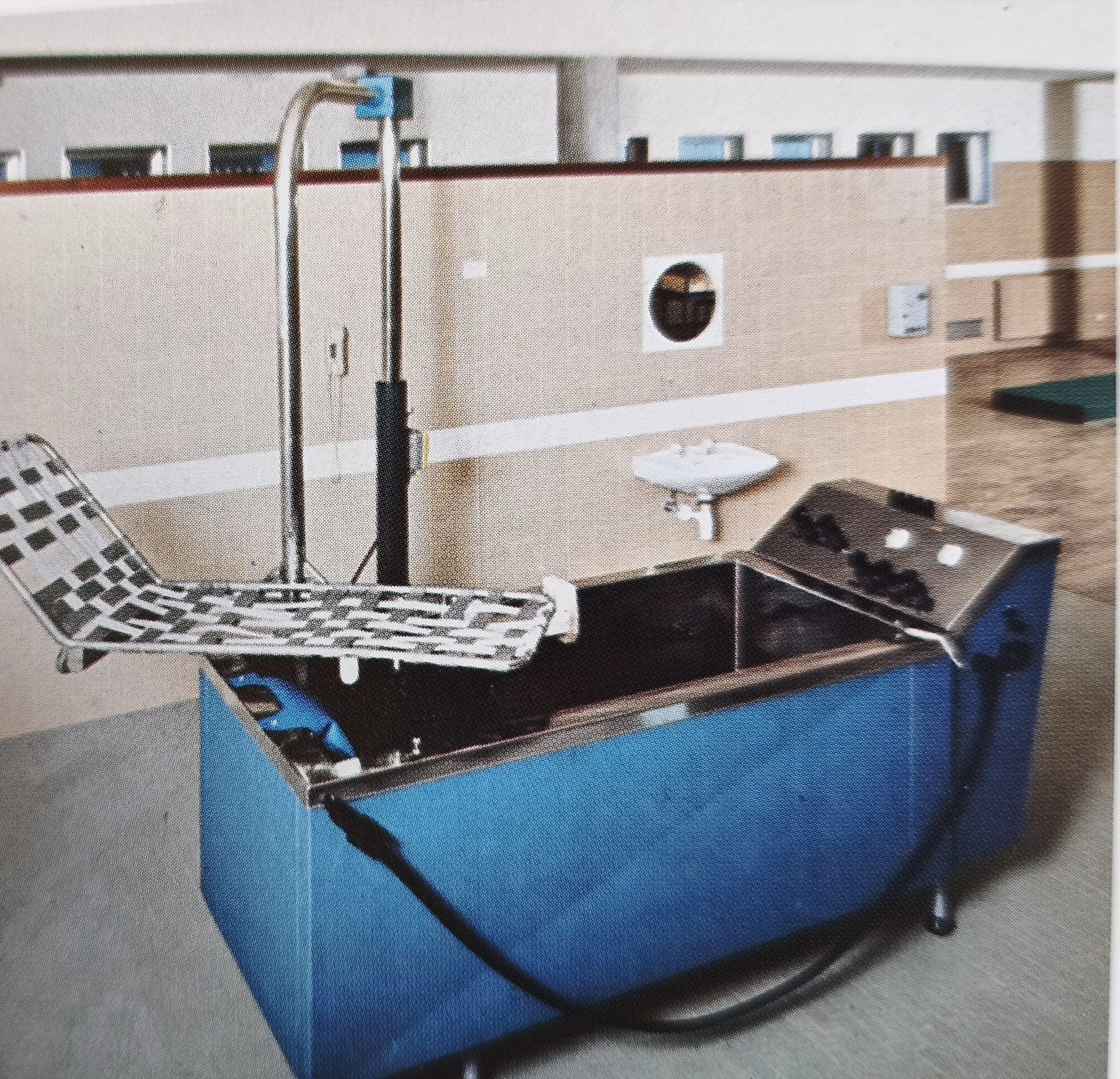
between 1932 and 1935 the first establishment for hydrotherapy and marine balneotherapy was built. The goal was precise: to use the therapeutic resources of sea water and sand in the best possible way.
This is how the Thalassotherapy and Psammotherapy of Grado was born: sea and sand transformed into instruments of health and regeneration.
YEARS 60′ and 70′
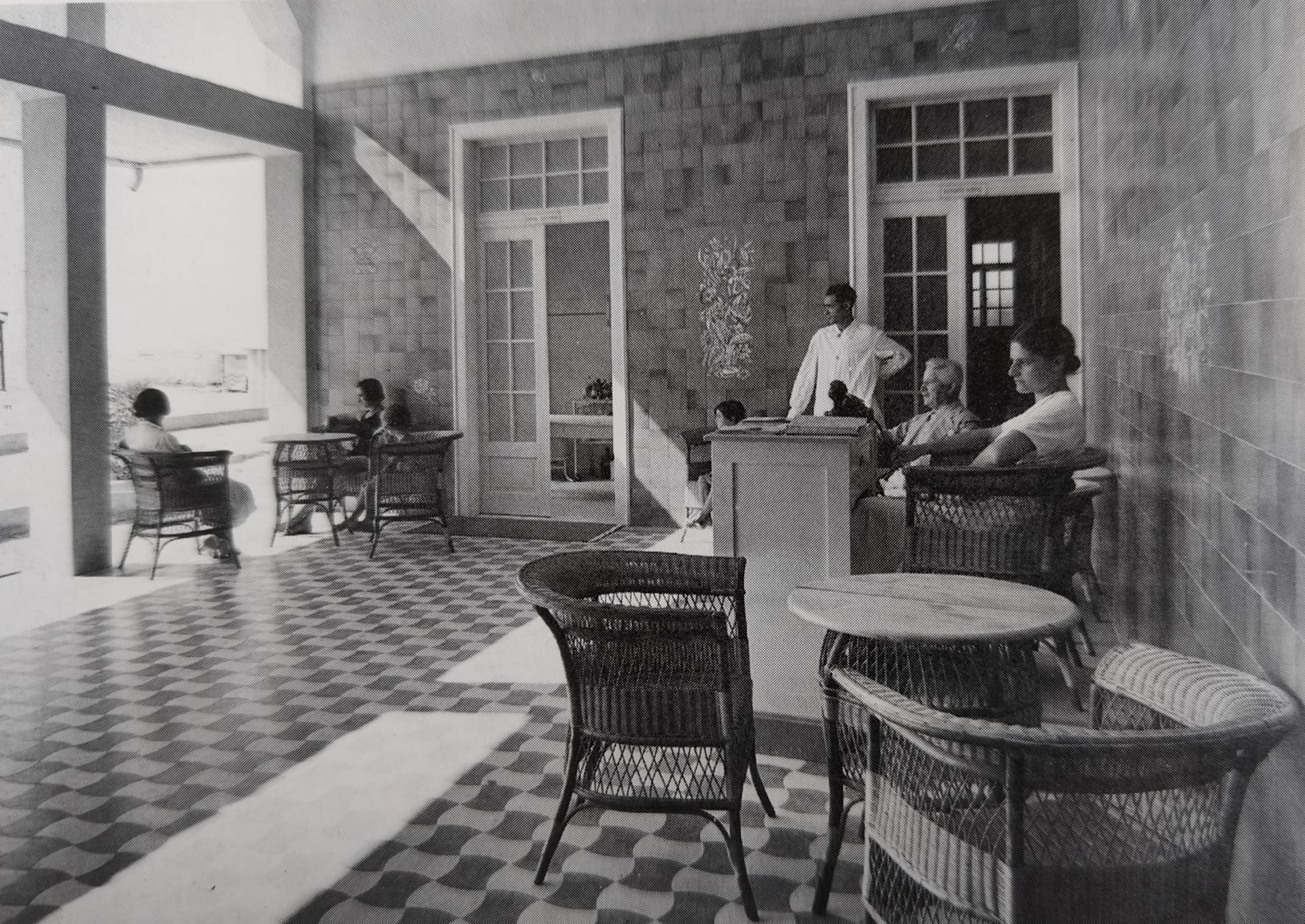
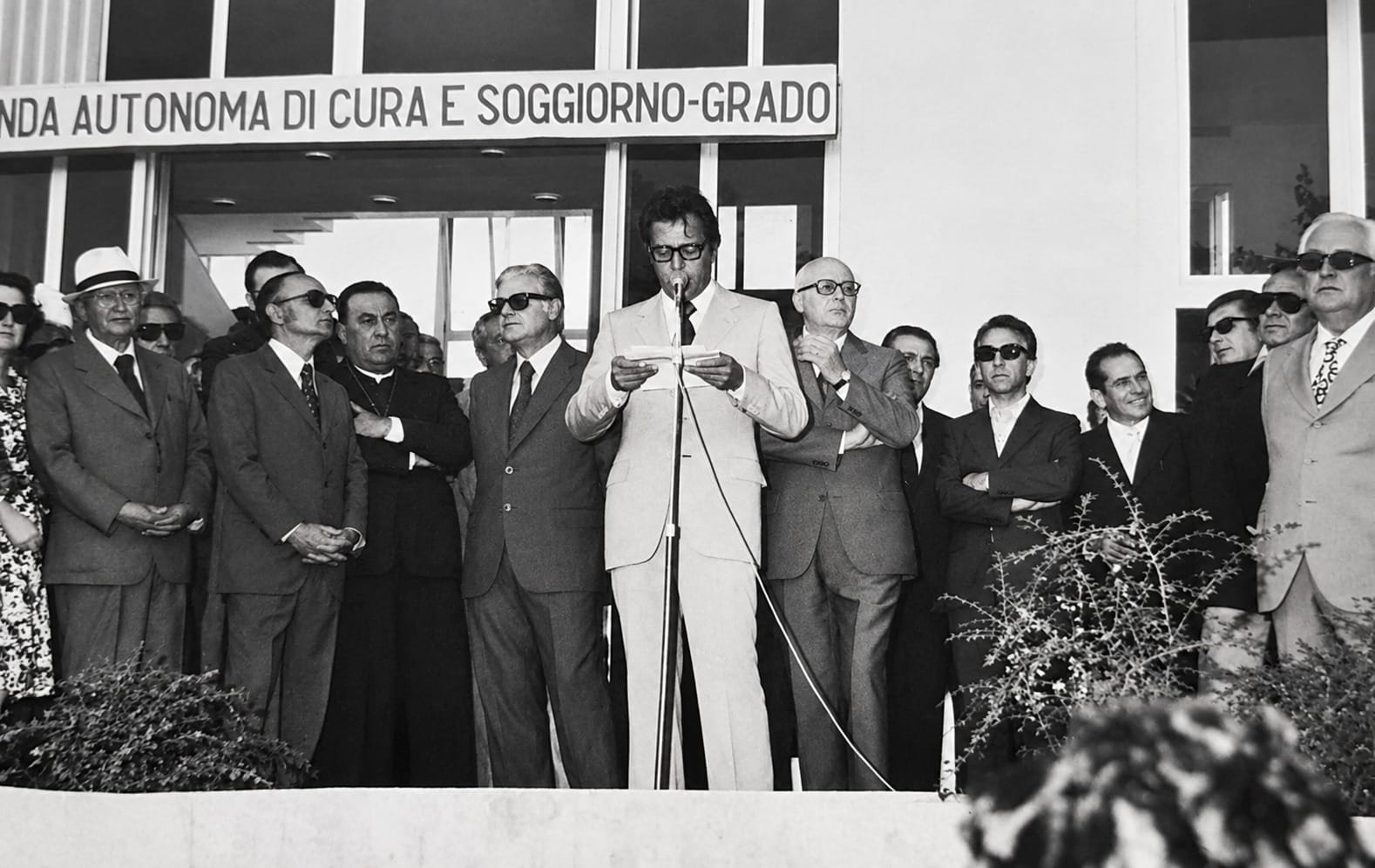
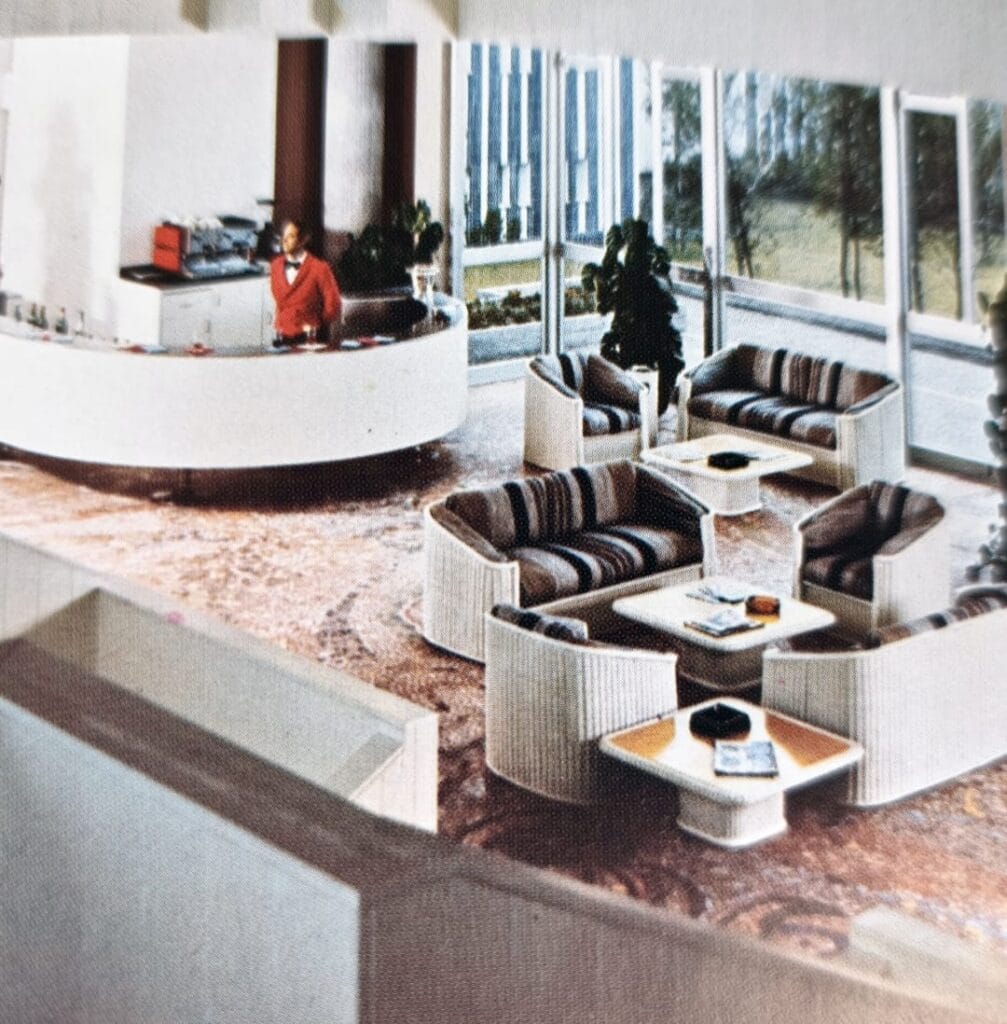
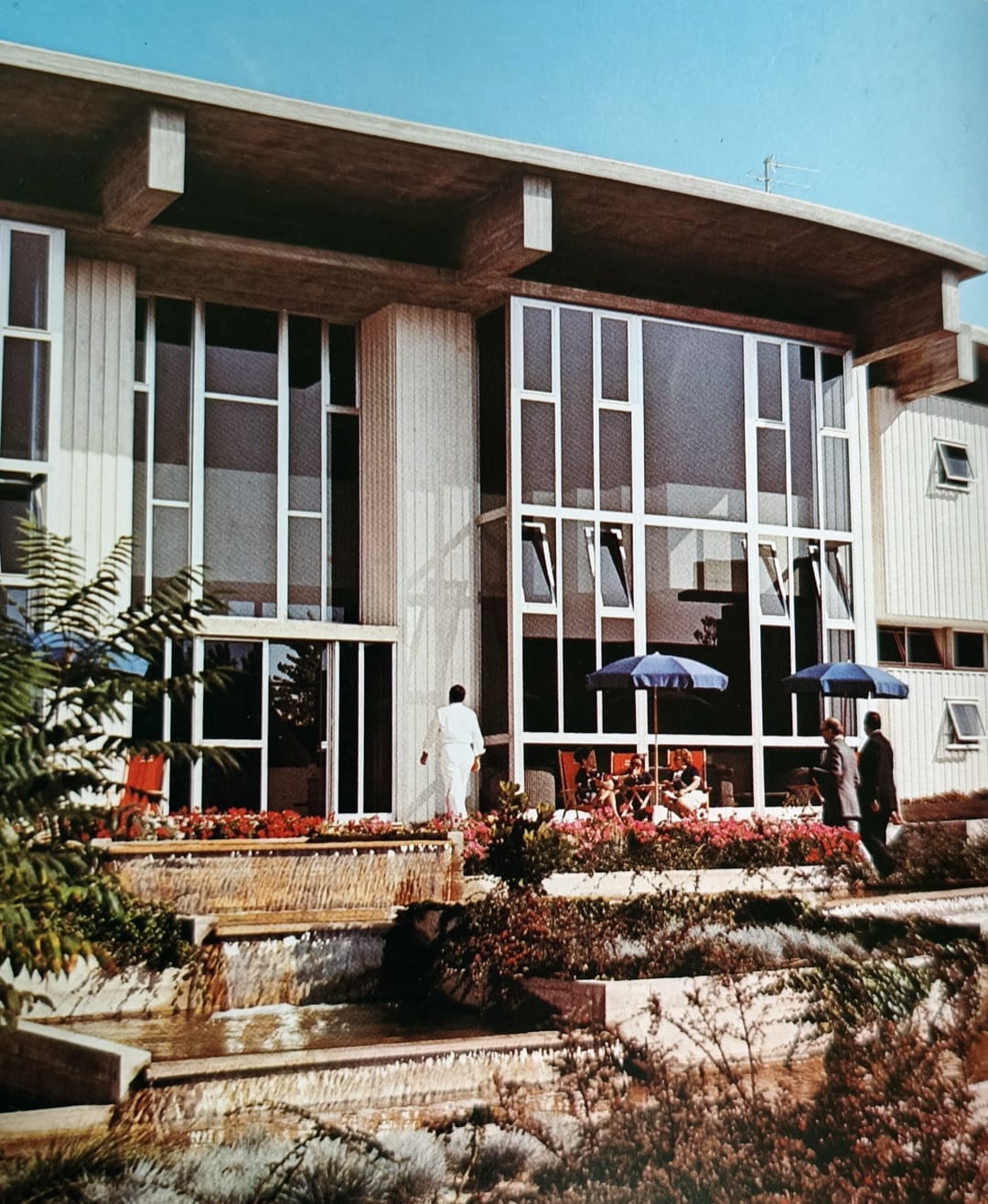
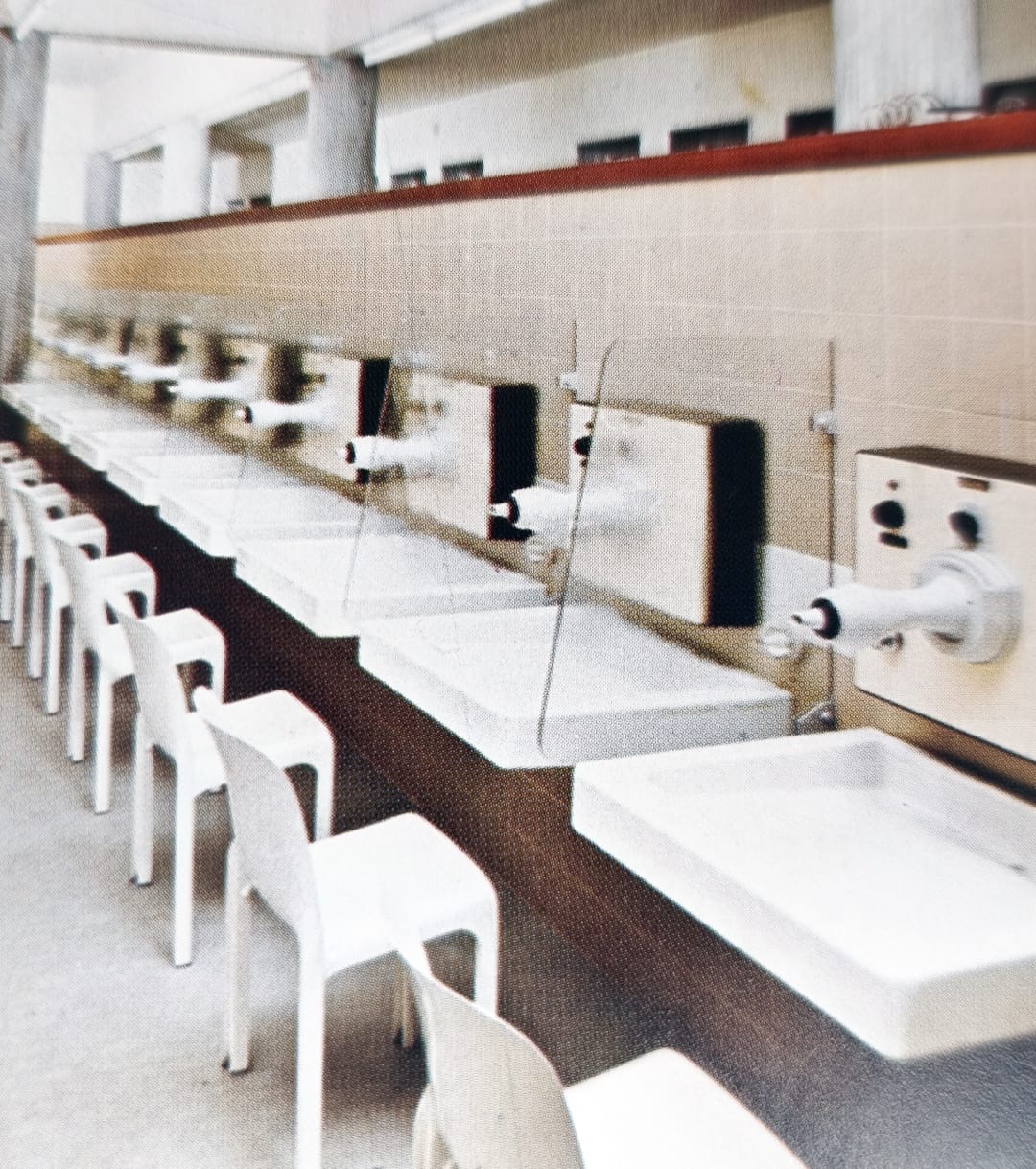
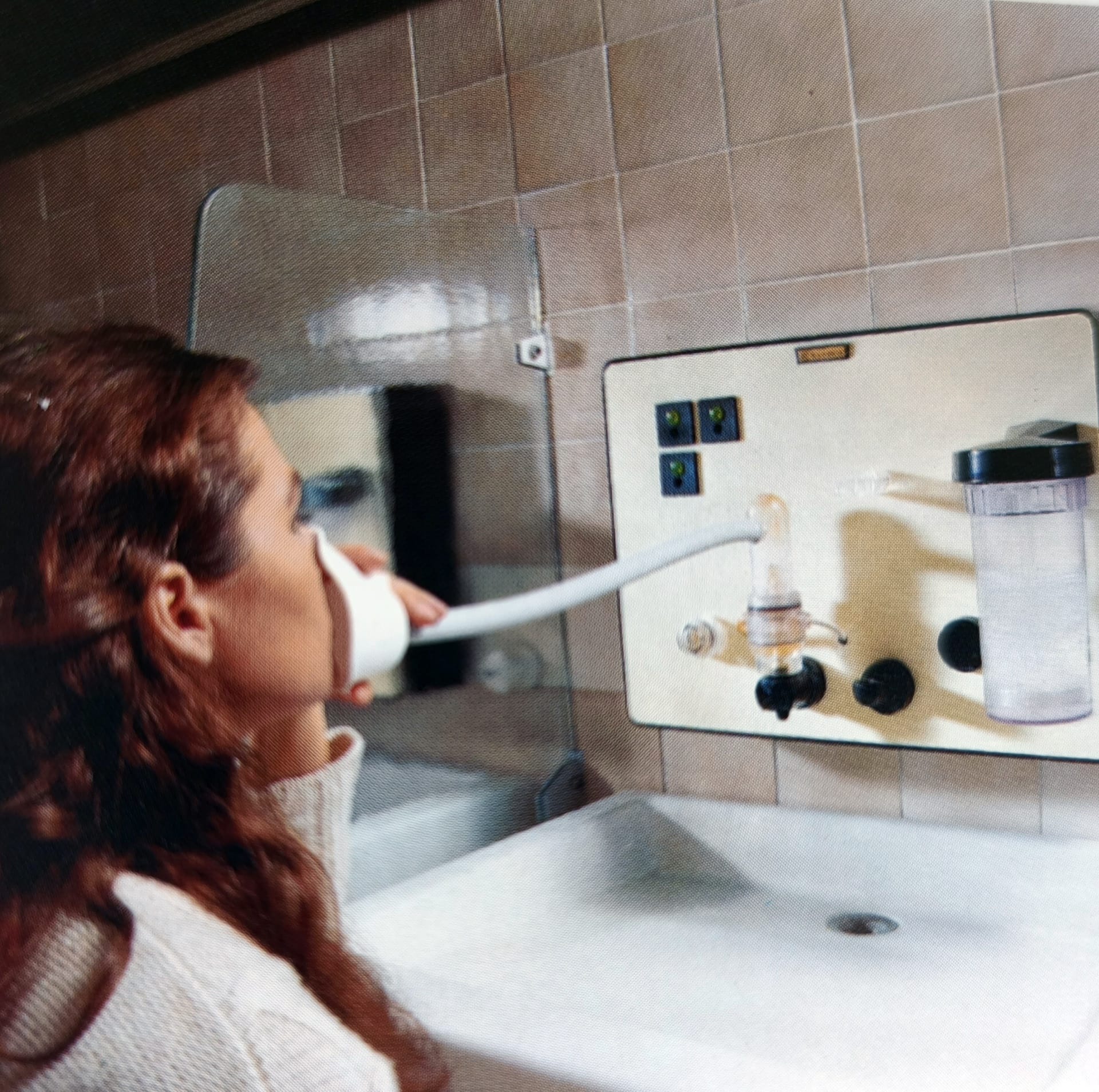
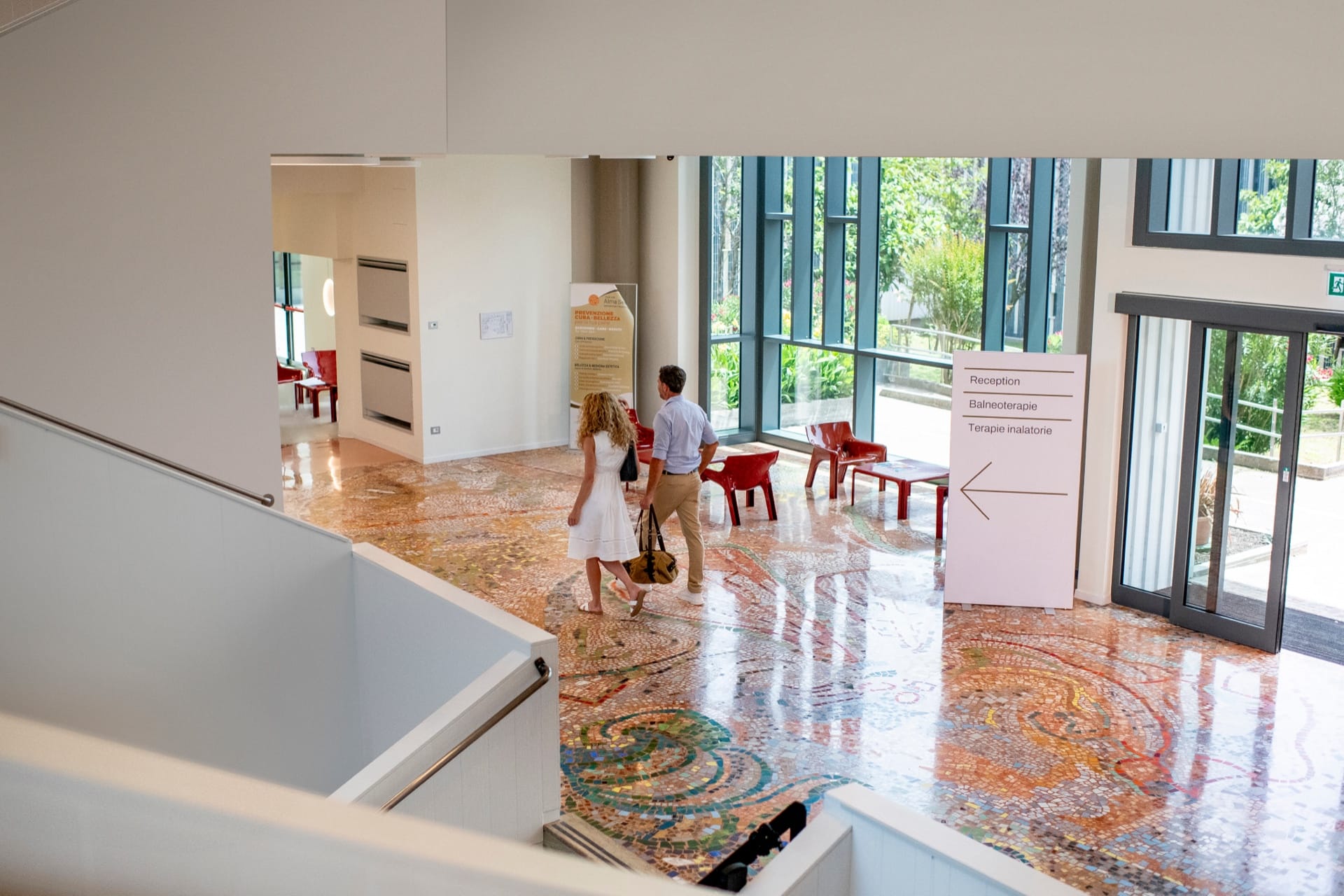
The notoriety of treatments is growing rapidly. In the 1960s, Italian and international athletes chose Grado for their treatments. The plant is expanding and modernizing. Between 1970 and 1974 the current building was built, designed by the architect Gianni Avon from Udine in collaboration with the painter Giuseppe Zigaina, who signed the mosaic floor of the hall – a work of art that still welcomes every guest today.
TODAY
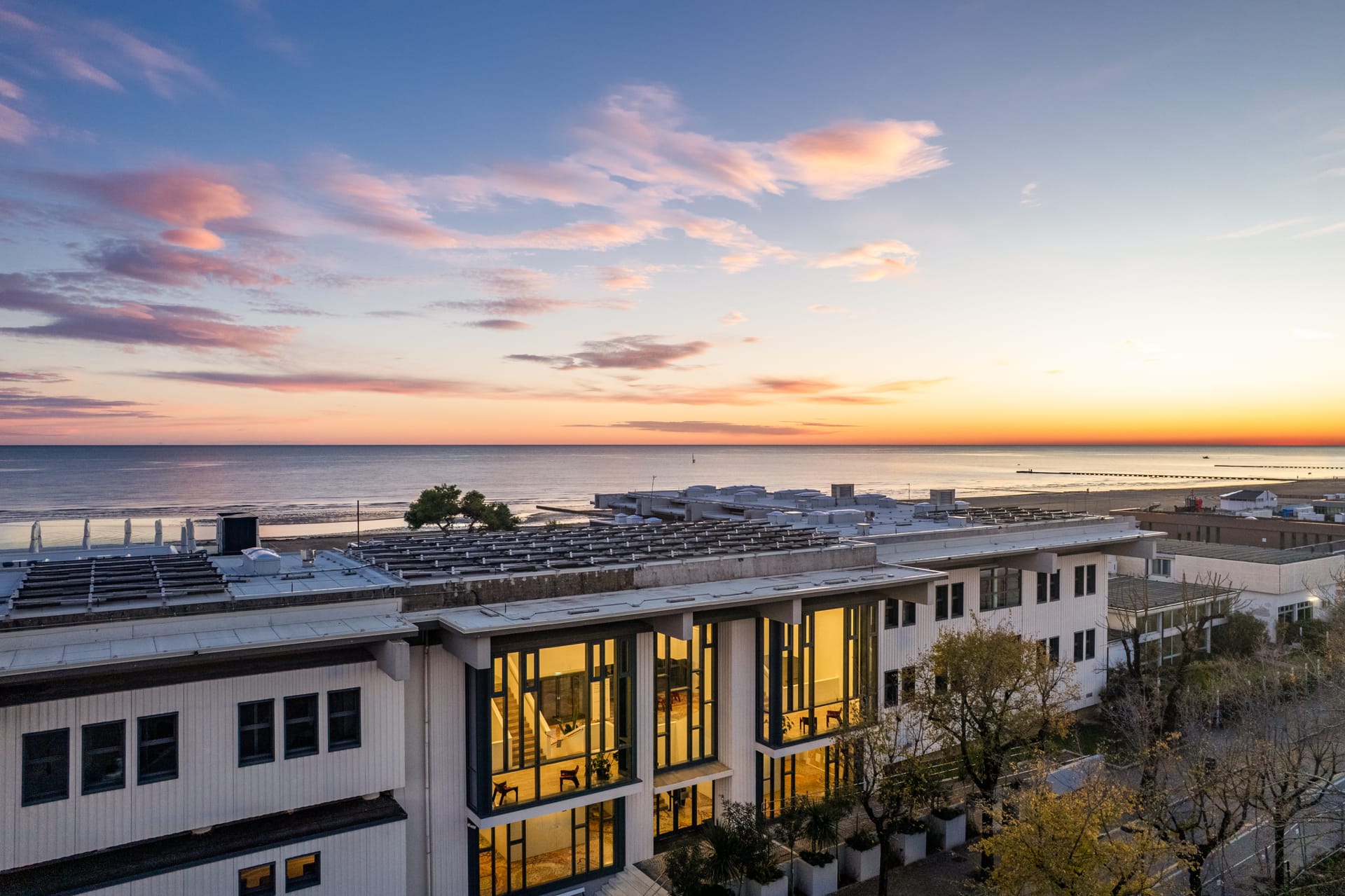
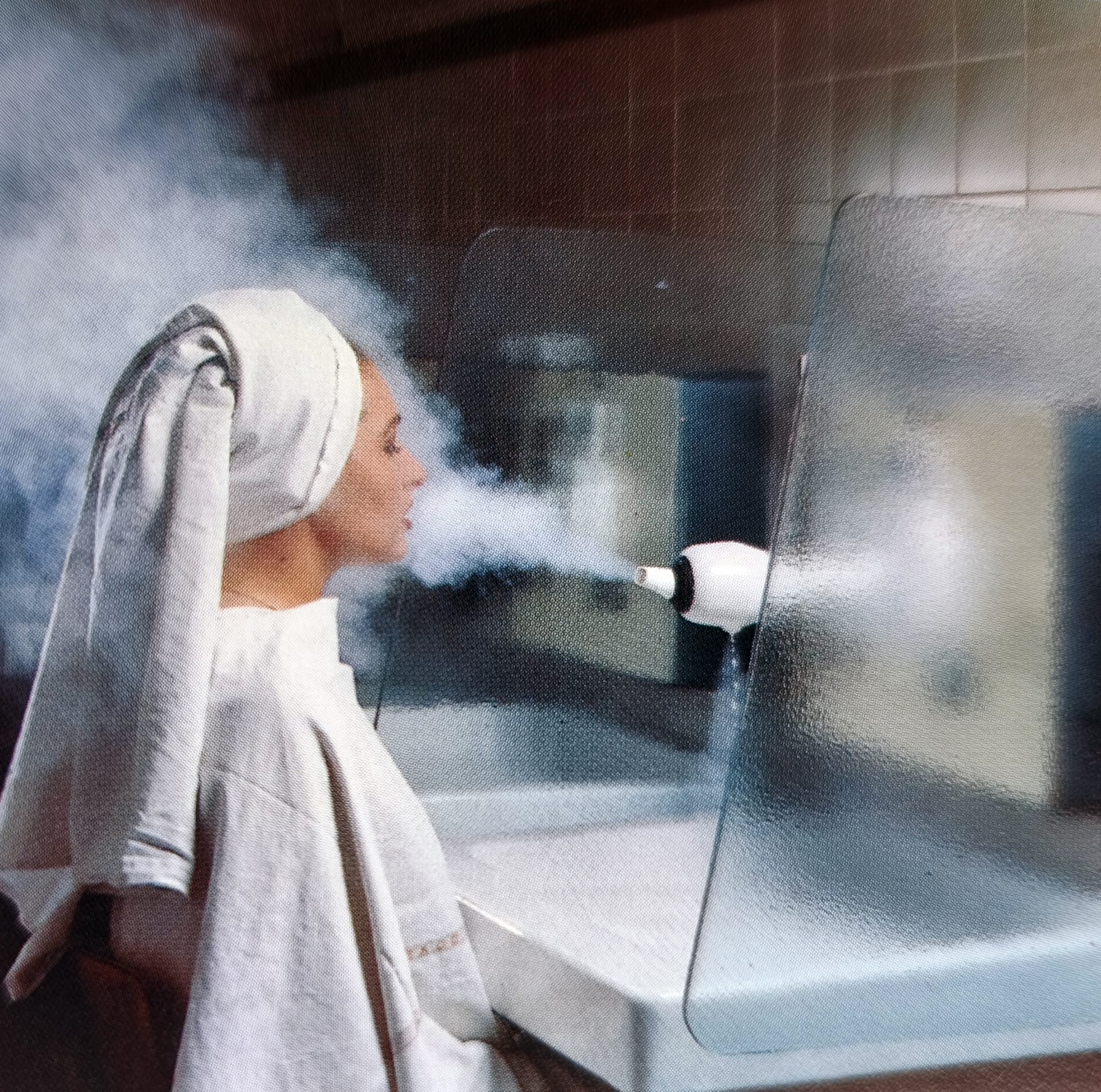
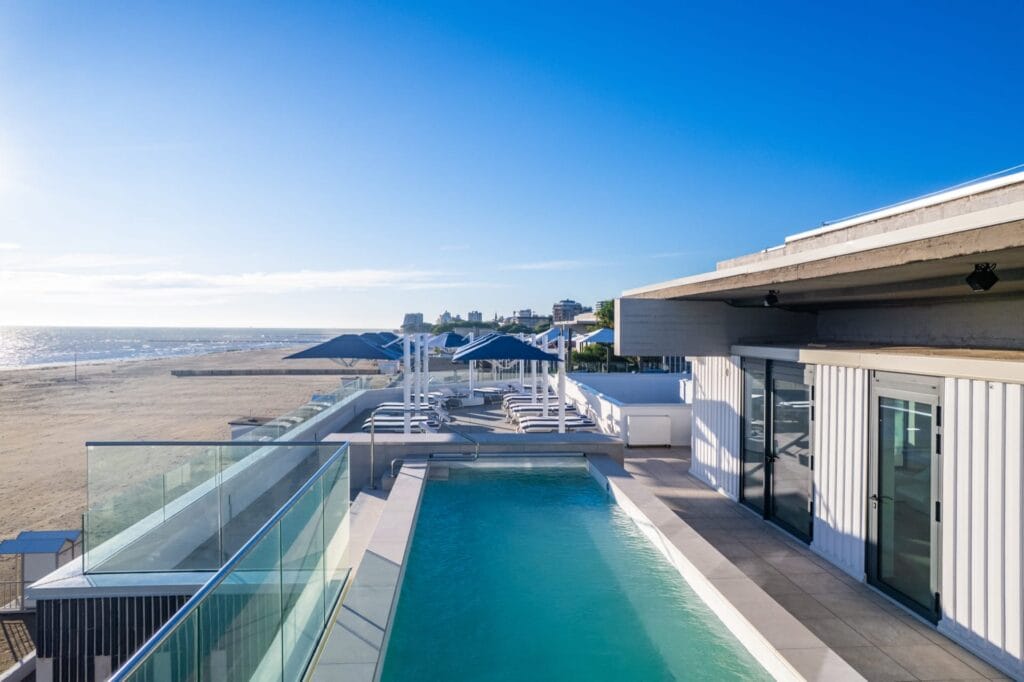
Almost a century after their foundation, the Terme Marine di Grado continues to evolve in the sign of continuity between tradition and innovation.
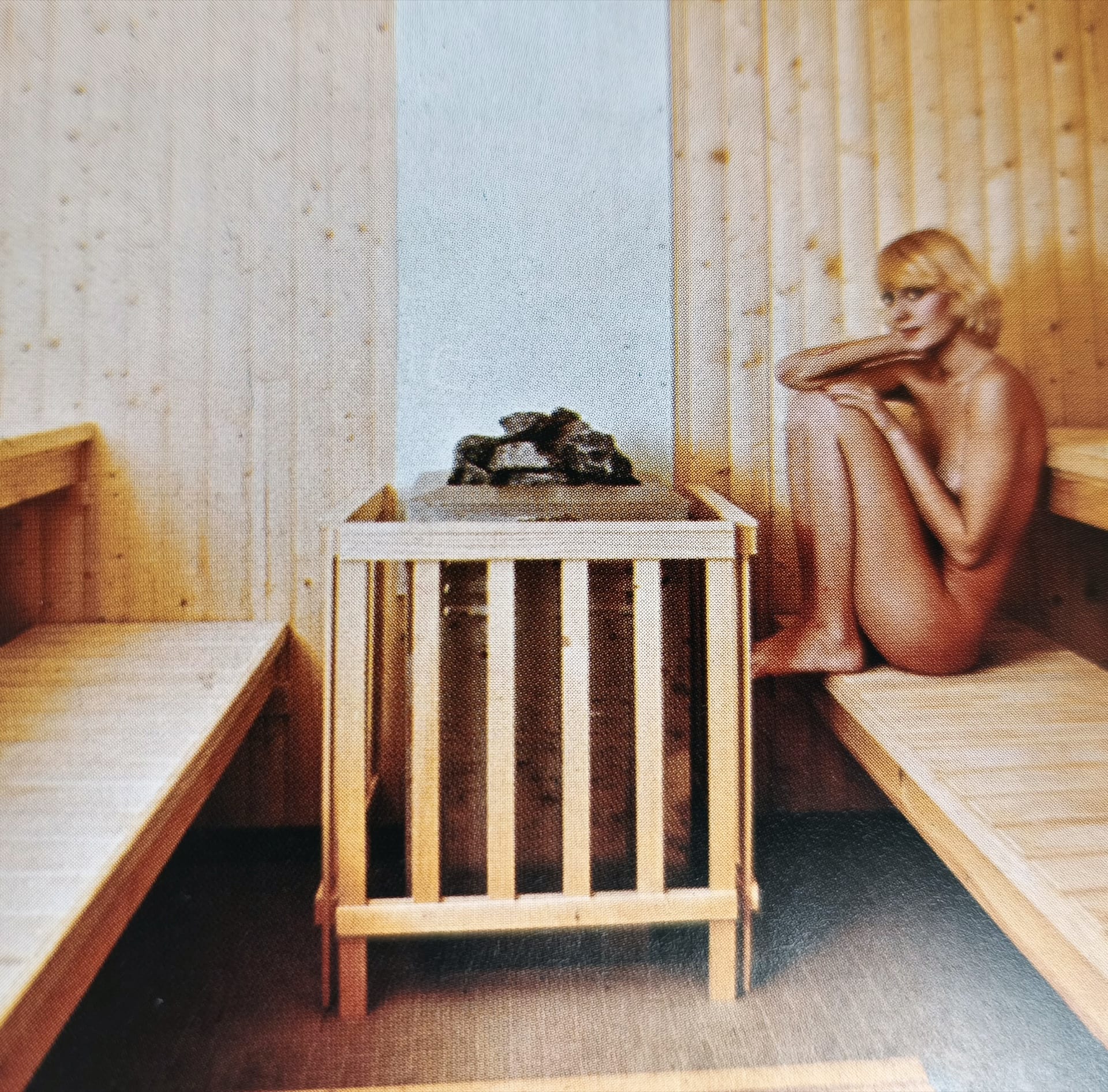
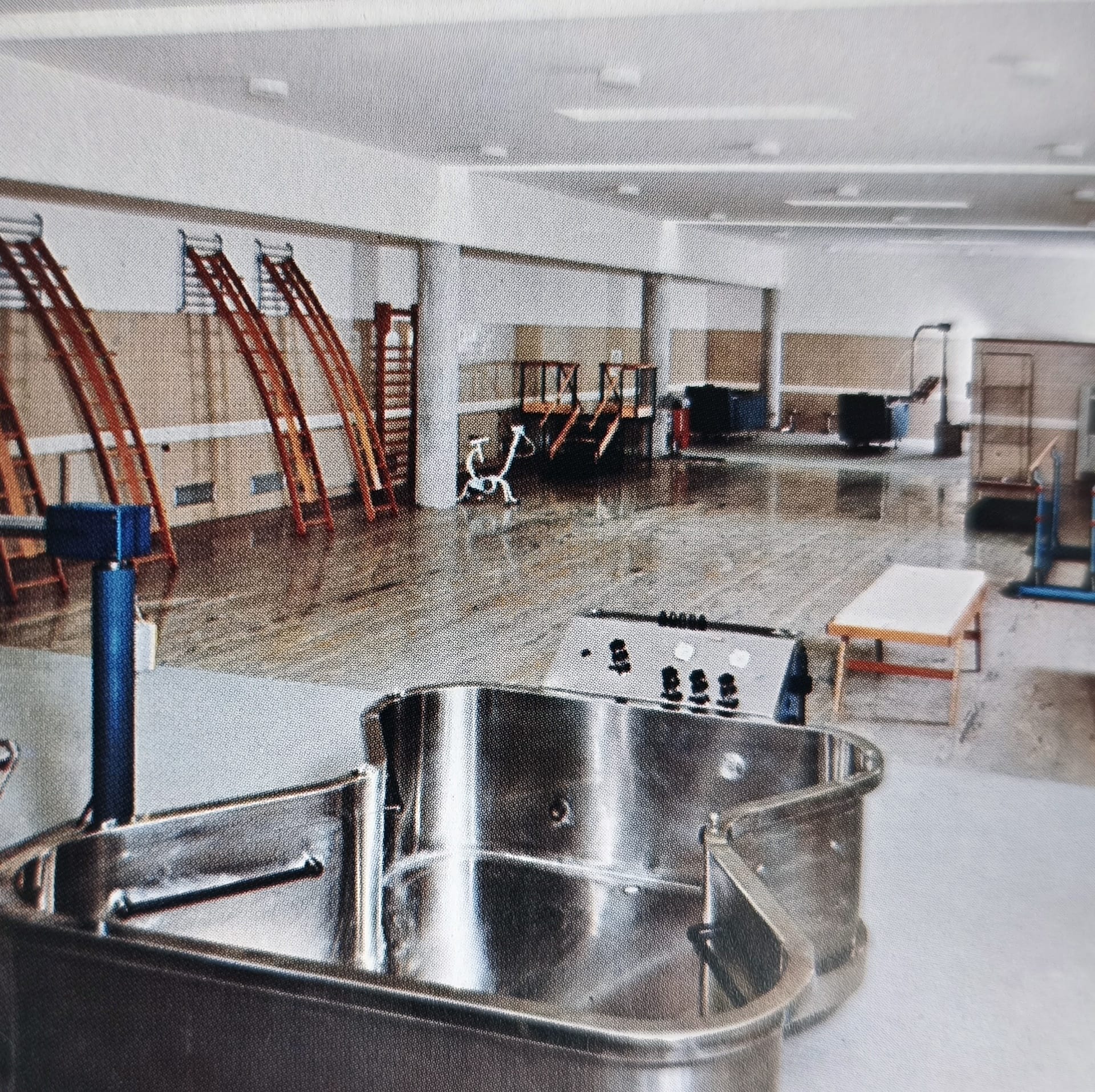
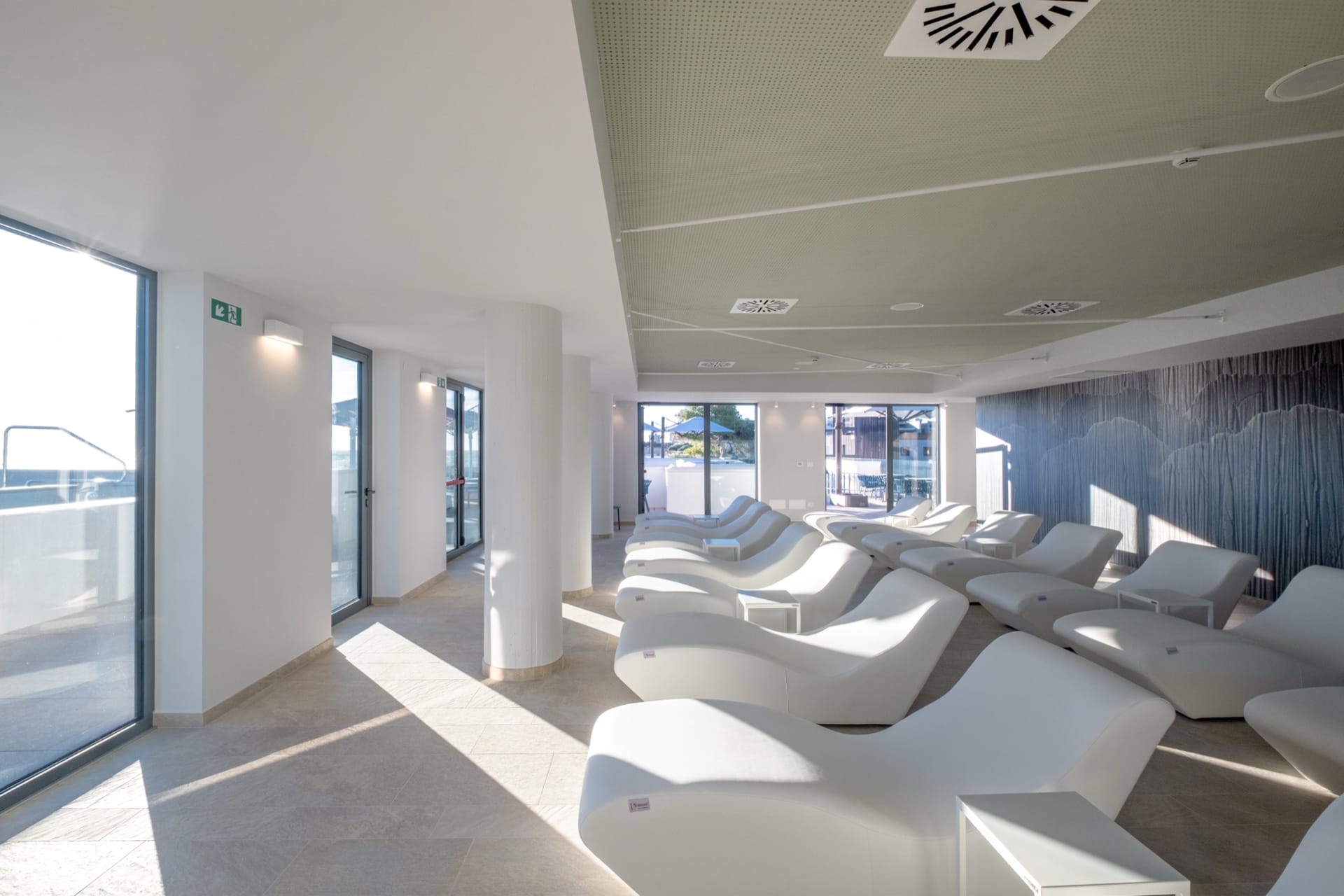
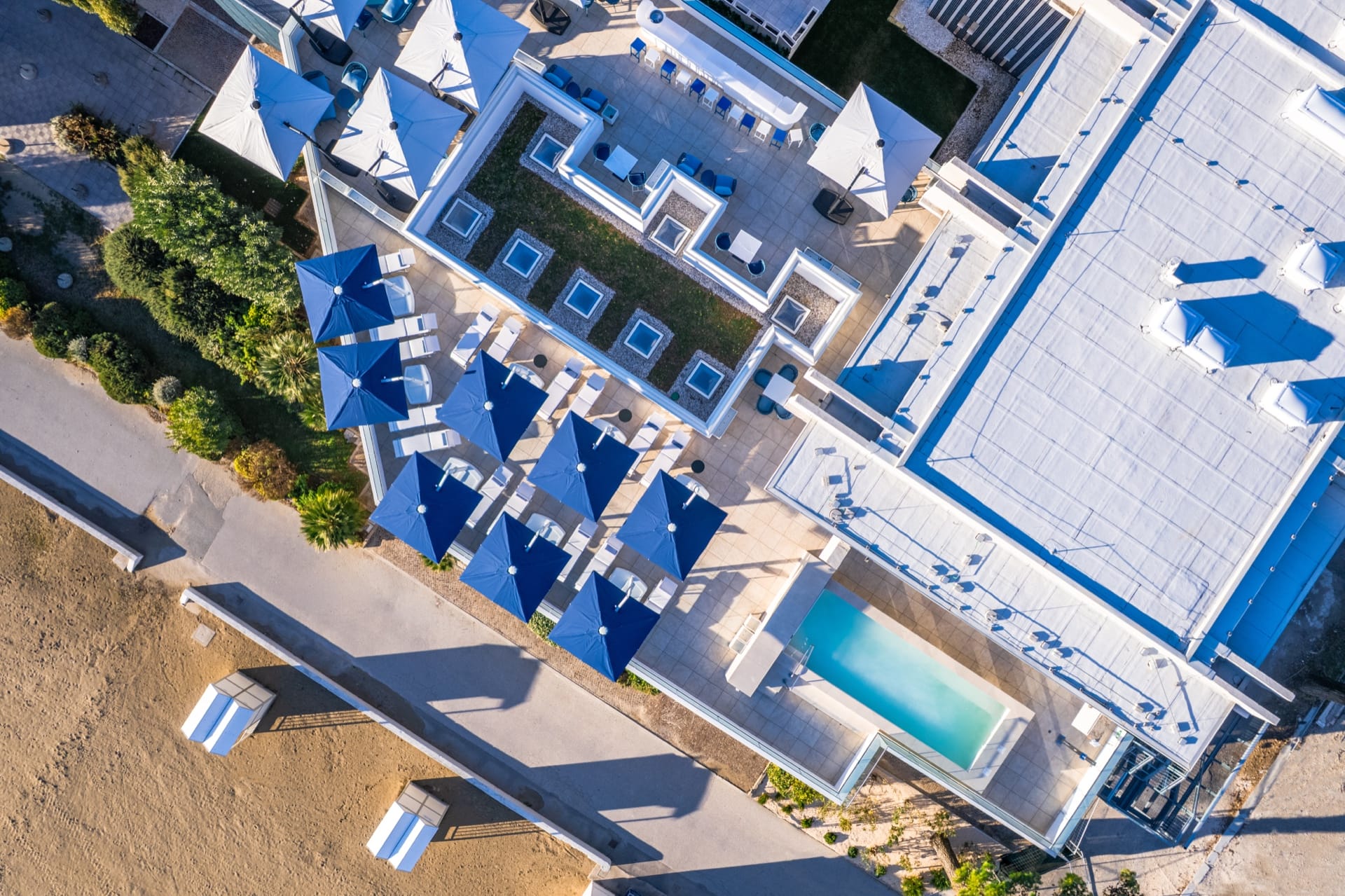
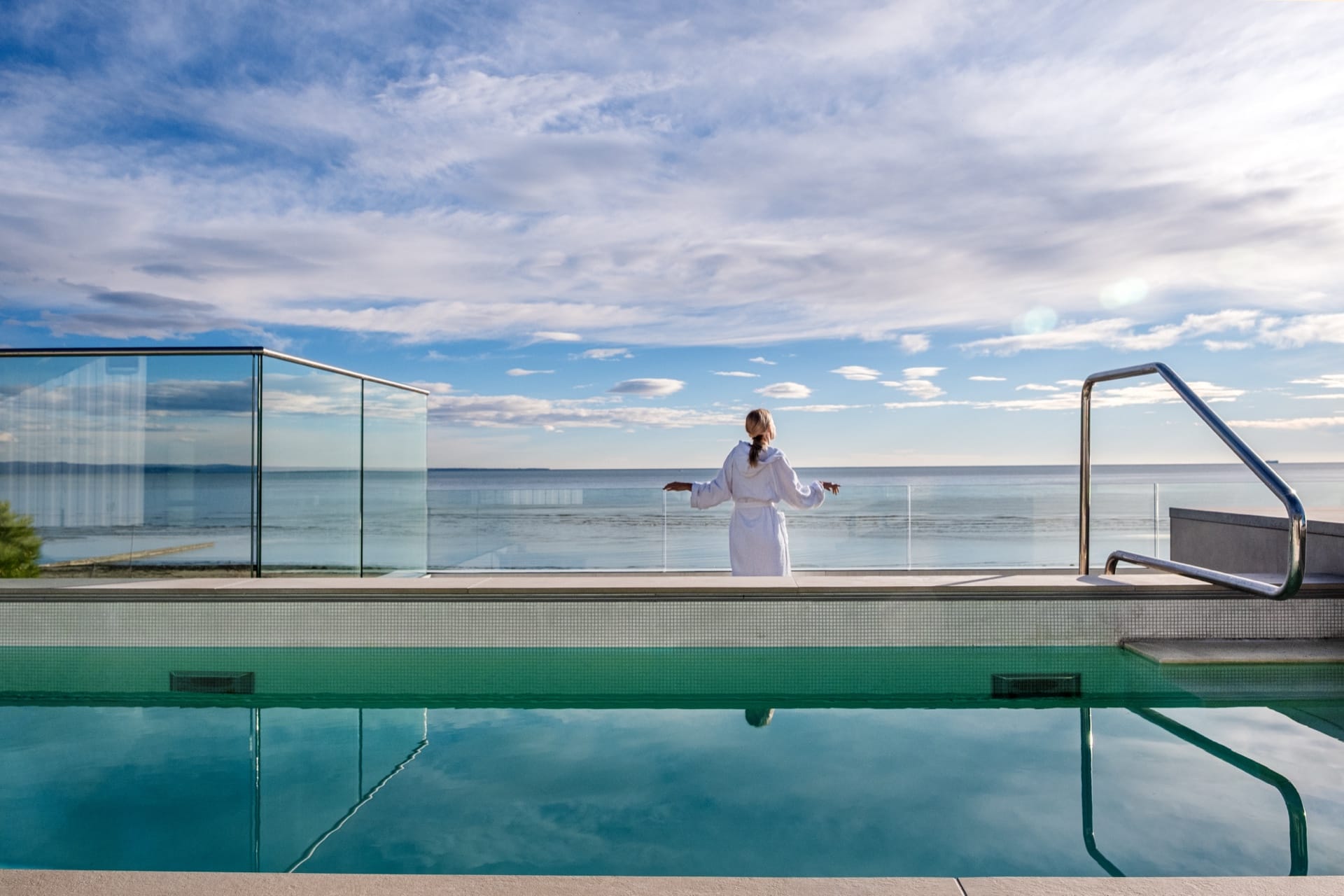
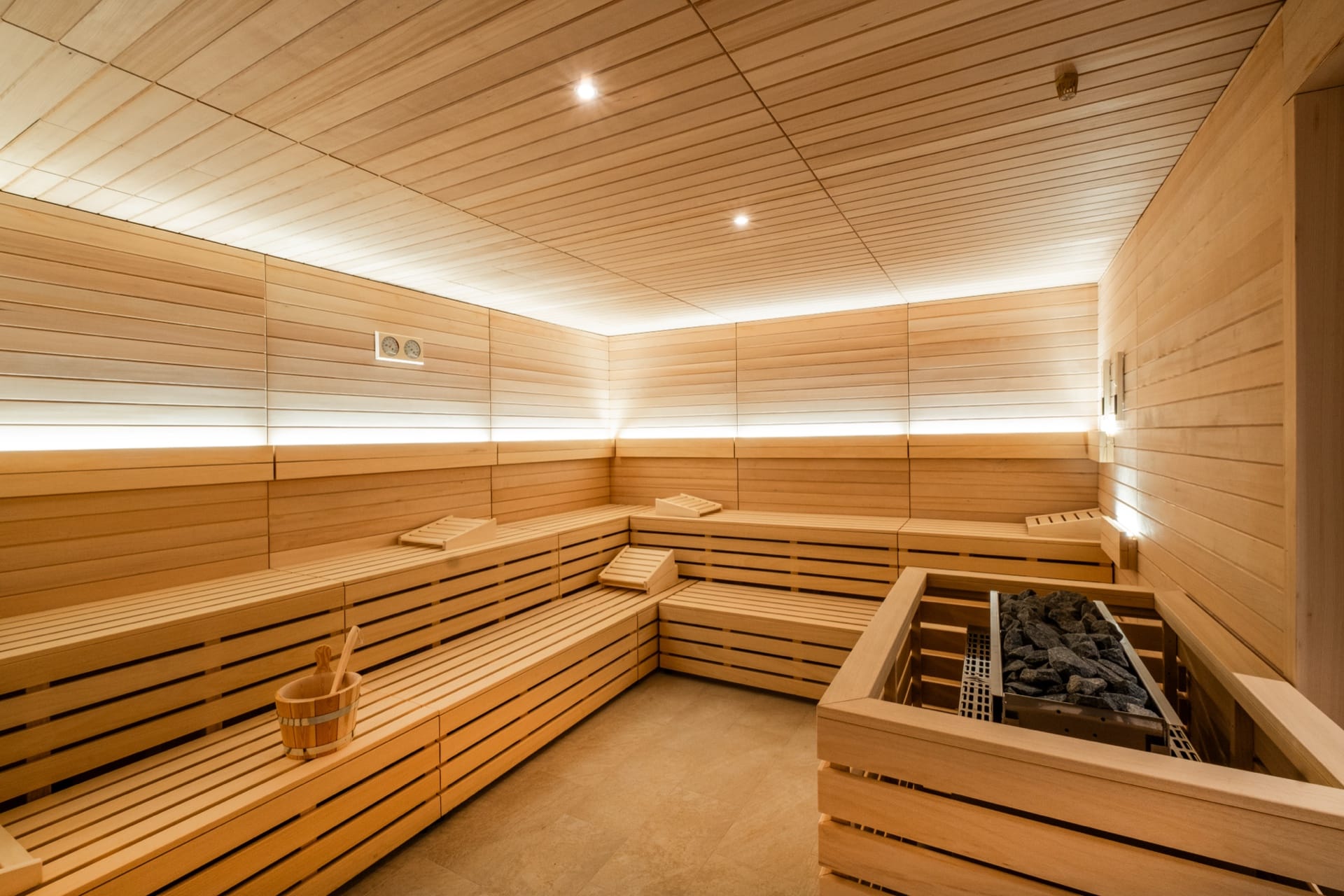
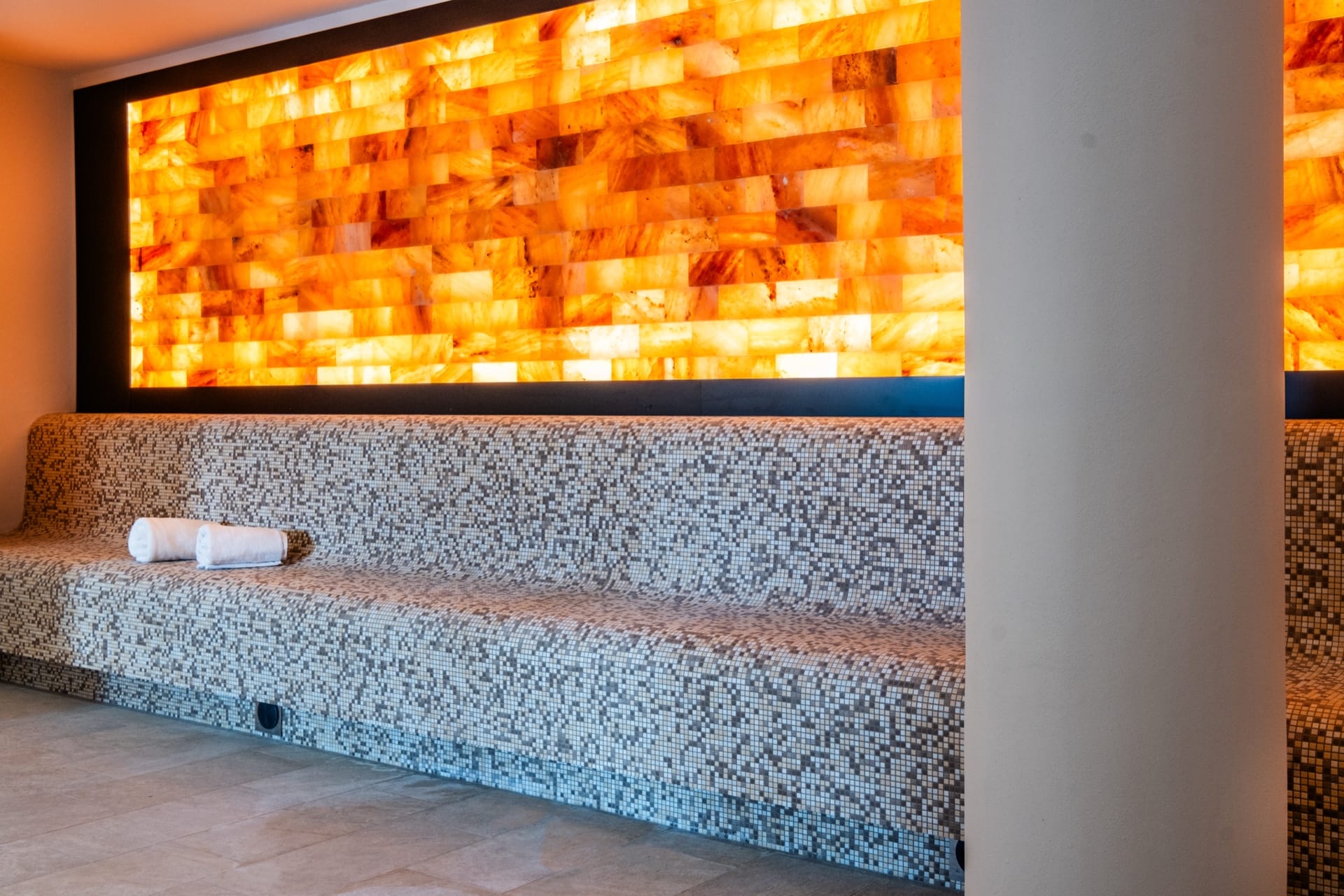
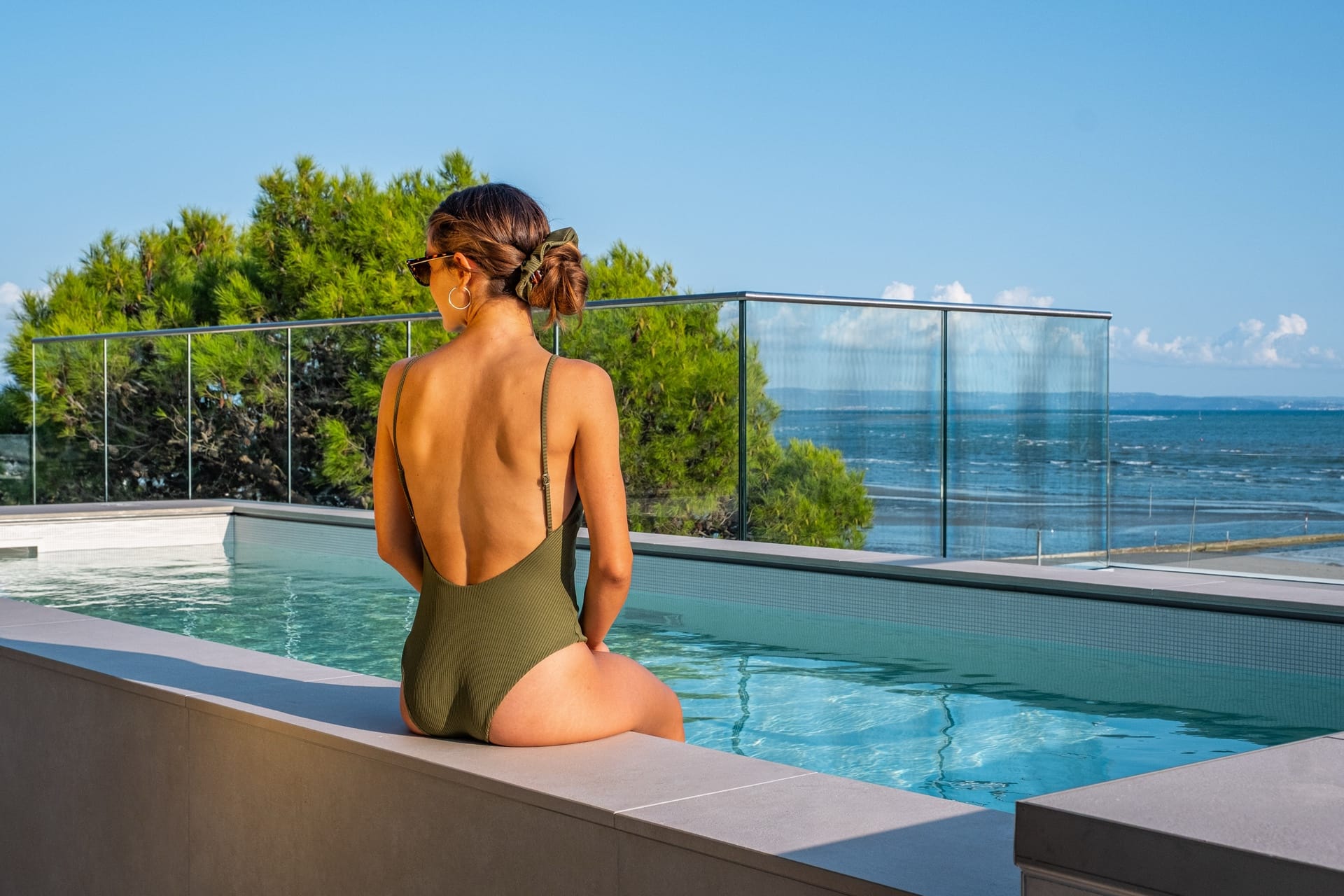
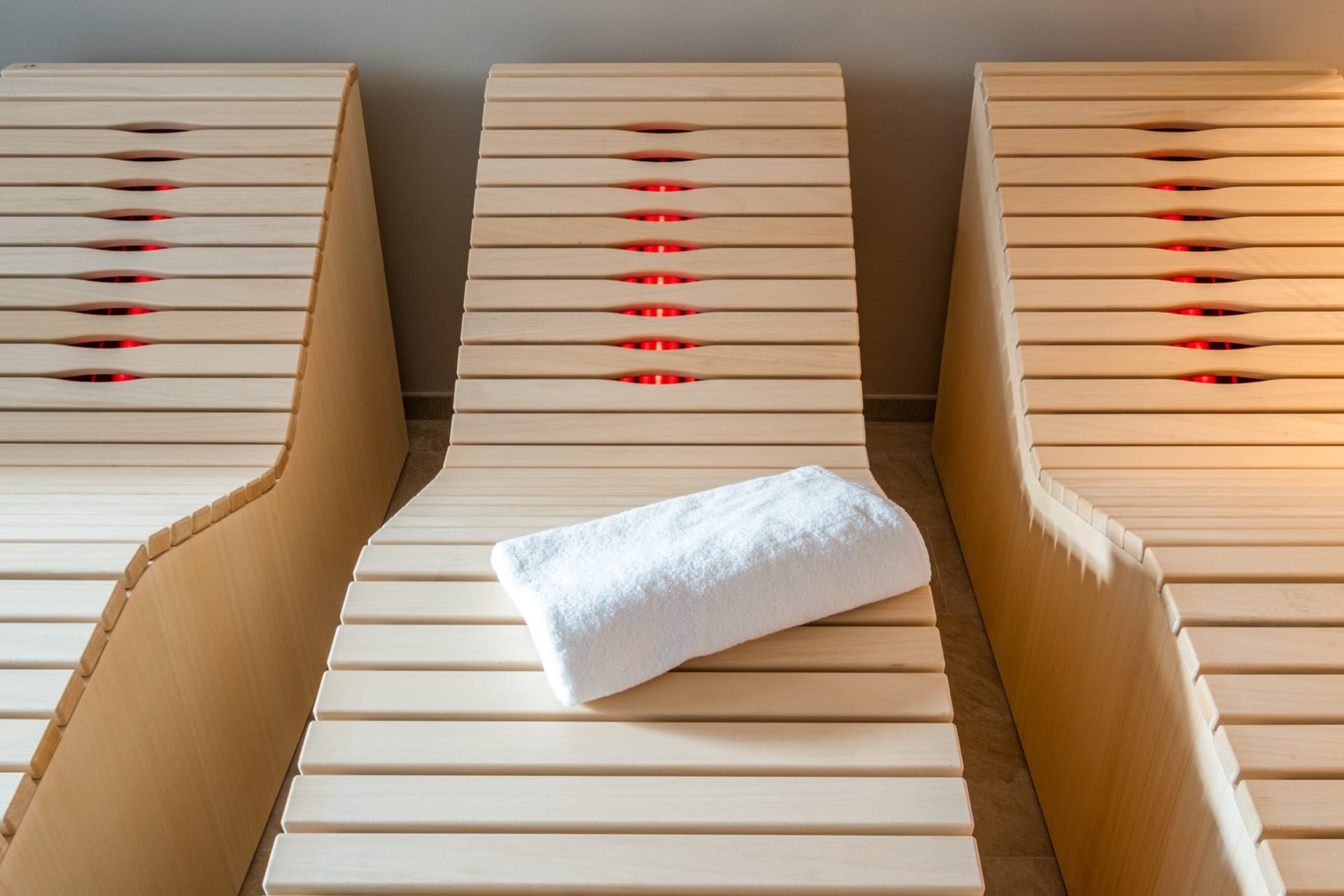
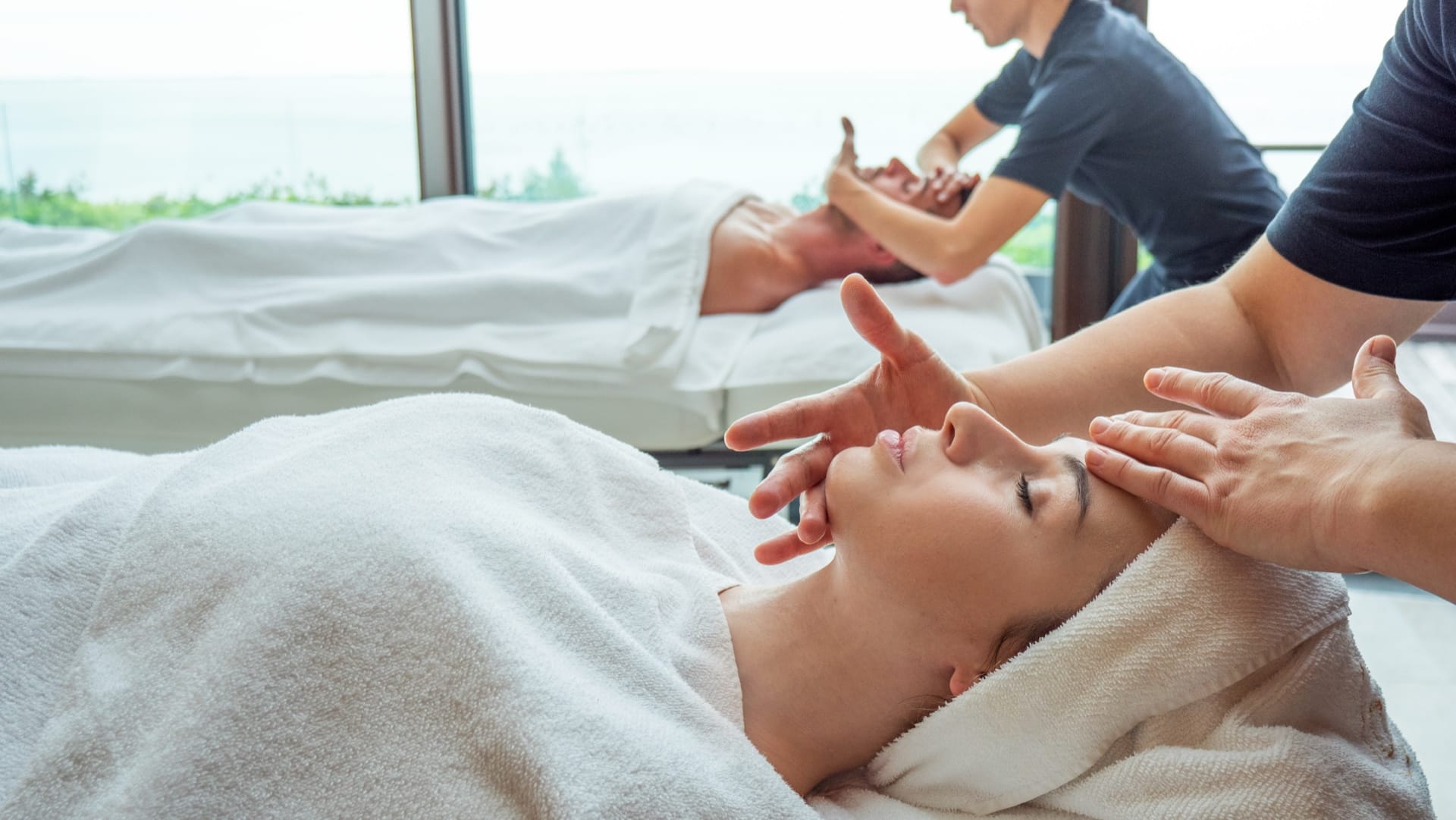
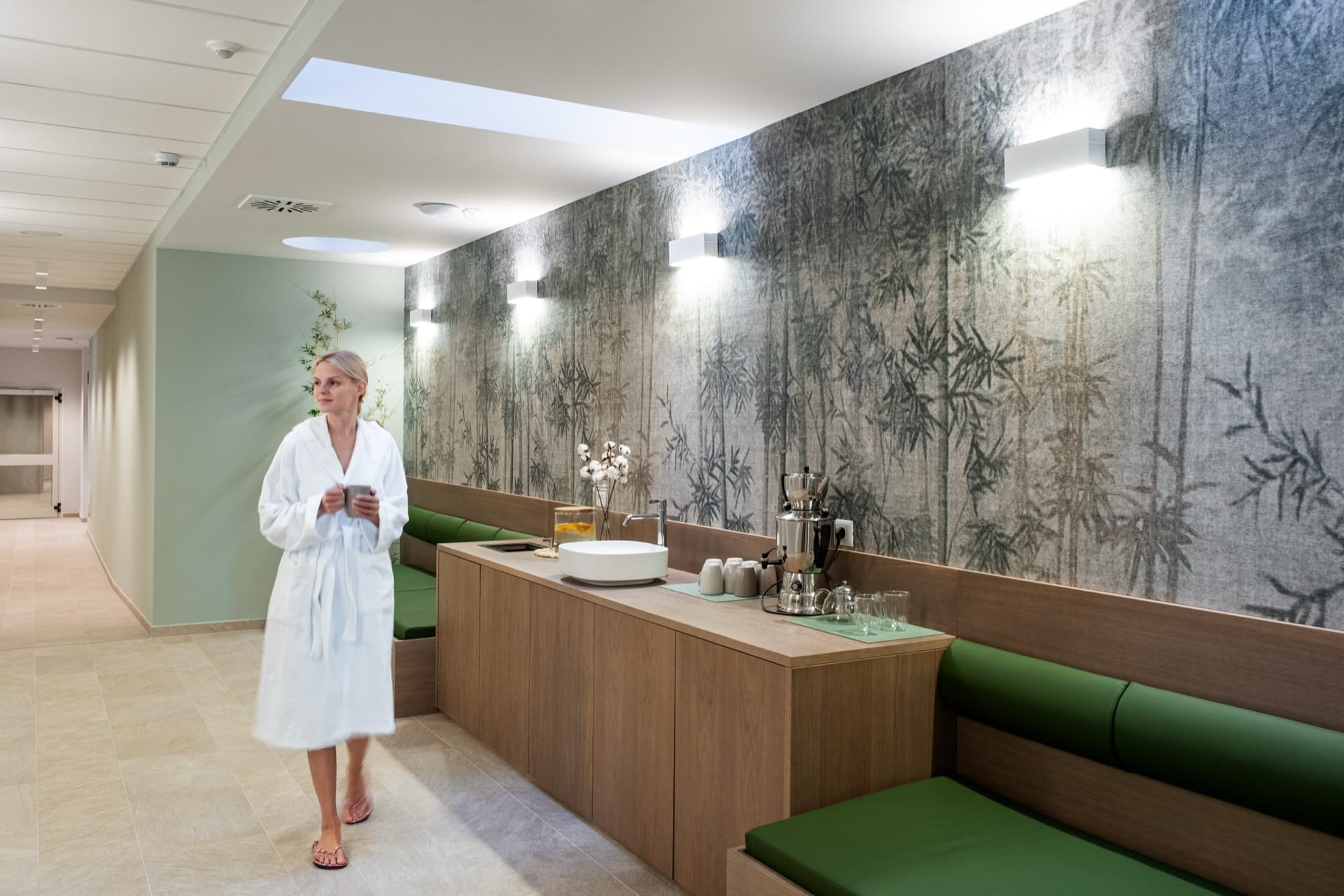
The recent redevelopment of the establishment has given rise to an ecosystem dedicated to health and wellness that extends over 4,000 square meters, including about 2,000 square meters entirely dedicated to the new Wellness, Beauty SPA and Fitness areas.
A project that expands and renews the offer of the Terme Marine di Grado, integrating new spaces dedicated to recovery, movement, prevention and quality of life into the historic spa treatments.
Change the way the sea is experienced. Not the principle that has guided our work for almost a century: enhancing the therapeutic properties of the marine environment to promote health, functionality and lasting well-being.

TRADITION MEETS RESEARCH. THE STORY CONTINUES IN SCIENCE